Product Introduction
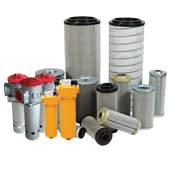
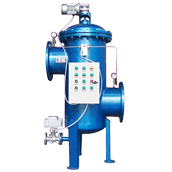
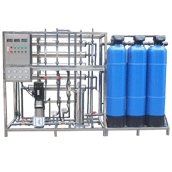
LEFILTER supplies a complete portfolio of filtration equipment tailored for DLE brine processing, including high flow filter cartridge, water filter housing and self-cleaning filter, which form a multi-barrier protection system matching the whole DLE process chain. Many imported brands such as Pall and Dow offer standard DLE filtration packages, but their fixed design often fails to adapt to variable brine conditions including high magnesium-lithium ratio, high silica content and fluctuating suspended solids. LEFILTER’s customizable filtration skids are optimized for field brine characteristics, balancing continuous operation stability, filter element consumption and overall project operating cost. Our engineered solutions cover raw brine pretreatment, adsorbent column protection, eluate polishing and lithium concentrate purification, delivering reliable alternative options for global DLE lithium extraction projects.

1. Overview of DLE Filtration Logic
Different from conventional brine evaporation lithium extraction, DLE relies on selective lithium adsorbents to capture lithium ions directly from raw brine. Once solid particles, colloidal silica or organic matters enter the adsorption bed, they will cause irreversible fouling, block pore channels and sharply reduce lithium adsorption capacity. A complete DLE filtration system adopts a progressive blocking strategy: coarse filtration for bulk solids removal, medium filtration for colloidal control, and fine polishing filtration to protect downstream adsorption, resin and membrane units.
The filtration targets vary greatly in different DLE projects. Oilfield brine carries crude oil and iron sulfide; inland salt lake brine contains clay, algae and high magnesium-calcium salts; geothermal brine is rich in dissolved silica prone to supersaturated scaling. One-size-fits-all filter configurations from overseas suppliers often lead to frequent cartridge replacement, unexpected shutdown and unstable lithium yield. Tiered filtration design must be built on accurate brine analysis and continuous on-site sampling verification.
2. Stage 1: Raw Brine Pretreatment Filtration
Raw brine is the first risk point of the whole DLE line. Suspended sediment, algae, oil droplets and precipitated salt crystals are the main pollutants at this stage. The core objective is to reduce SDI value and prevent large particulate from entering subsequent adsorption columns.
Typical equipment selection: Self-cleaning filter is the primary choice for raw brine with high solid loading. It runs automatically under differential pressure control, discharges dirt without flow interruption, and cuts manual maintenance work for remote brine sites. For brine with moderate solid content, basket strainers or duplex filters are also configured as backup.
Critical control parameters: SDI₁₅ ≤3, turbidity <5 NTU, removal precision usually set at 20–50 μm. If raw brine contains crude oil, coalescence filtration and activated carbon filtration should be added to remove hydrocarbon contaminants.
A common pain point of imported filtration systems in this section is the narrow anti-scaling design. When brine temperature changes and silica precipitates, the screen of imported self-cleaning filter is easy to jam and cannot be cleaned thoroughly. LEFILTER optimizes the screen slot structure and backwash flow path, adapting to high-silica brine operating conditions.
3. Stage 2: Pre-column Protection Filtration (Before Adsorbent Bed)
This is the most critical filtration node for protecting DLE adsorbents. Even after pretreatment, tiny colloids, fine crystal particles and residual organic substances still exist in brine. Once these impurities deposit on the adsorbent surface, the adsorption efficiency will decline rapidly and the adsorbent regeneration effect will deteriorate.
Typical equipment selection: Water filter housing equipped with high flow filter cartridge is widely adopted in this polishing stage. High flow cartridges feature large flow rate, small footprint and easy replacement, which fit the high-volume brine feeding requirement of DLE modules. The filter precision is generally 1–5 μm, and filter media materials can be PP, PES or PVDF according to brine pH and oxidation property.Critical control parameters: Outlet turbidity <1 NTU, no visible particulate matter, stable differential pressure rise rate. Operators need to record pressure difference data regularly to formulate a reasonable cartridge replacement cycle, instead of following the fixed replacement cycle recommended by foreign brands.
Many DLE projects suffer from excessive cartridge consumption because the upstream pretreatment and pre-column filtration are not matched. Some imported solution providers only focus on high polishing accuracy but ignore the burden of upstream solids, resulting in cartridges clogging within a few days and high long-term operating expense.
4. Stage 3: Eluate Filtration & Lithium-rich Liquid Purification
After lithium adsorption saturation, eluent is injected to desorb lithium and form lithium-rich eluate. This eluate contains fine adsorbent powder, broken resin fragments and precipitated hydroxide impurities generated by pH adjustment. If these impurities are not filtered out, they will interfere with subsequent magnesium-calcium removal, nanofiltration and concentration processes.
Typical equipment selection: Multi-cartridge filter housing with absolute rated high flow filter cartridges. For continuous production lines, duplex filter housings are preferred to realize cartridge replacement without system shutdown.Critical control parameters: Remove fine adsorbent fines and floc precipitation, protect downstream ion exchange resin and NF/RO membrane modules. The filtration precision is commonly 0.45–1 μm.
This stage directly affects the purity of final lithium carbonate or lithium hydroxide. Residual adsorbent powder will pollute the resin bed and reduce the impurity removal efficiency of magnesium and calcium. Compared with imported filter cartridges, LEFILTER high flow filter cartridges maintain stable retention efficiency under high chloride brine environment, with better resistance to chemical corrosion and lower cost.
5. Stage 4: Waste Brine & Regeneration Liquid Filtration
After lithium adsorption, the depleted brine is discharged or recycled. The regeneration liquid of adsorbent and cleaning wastewater also need filtration treatment. Fine adsorbent particles and scaling sludge are concentrated in this stream. If not filtered, they will accumulate in the pipeline and cause secondary pollution when the liquid is reused.
Typical equipment selection: Automatic self-cleaning filter for large flow waste brine, bag filter and cartridge filter for small-volume regeneration liquor.Critical control parameters: Avoid solid accumulation in recycle pipeline, reduce the solid load of the whole system.
6. Core General Control Points for DLE Filtration System
6.1 Material compatibility
Brine has different pH value, chloride concentration and oxidizing substance. Ordinary carbon steel housing is easy to rust; common PP media may degrade under strong oxidizing environment. 316L stainless steel or FRP housing is recommended for high chloride brine. PVDF filter media is suitable for strong oxidizing working conditions. Many imported filter housings adopt standard SS316 construction, but lack customized anti-corrosion coating options for special brine, which brings hidden risks of long-term corrosion.
6.2 Differential pressure monitoring and interlock
All key filtration units should be equipped with pressure transmitters and differential pressure alarm. Self-cleaning filter triggers backwash at set pressure difference; cartridge filter reminds operators to replace elements when differential pressure reaches the upper limit. Blindly extending the service cycle will lead to filter breakthrough and irreversible pollution of adsorbent.
6.3 Gradient precision matching principle
Filtration accuracy must be from coarse to fine step by step. It is wrong to rely only on fine cartridge filters to intercept a large amount of suspended solids. Reasonable gradient: self-cleaning filter (20–50 μm) → pre-filter (10 μm) → high flow cartridge polishing filter (1–5 μm). This structure balances protection effect and consumable cost.
6.4 Adaptability to brine fluctuation
Salt lake and oilfield brine composition changes obviously with seasons and pumping location. Fixed filtration schemes from overseas suppliers cannot cope with fluctuation. LEFILTER provides modular skid design, which allows customers to add filter units or adjust precision flexibly according to later brine test data.
7. LEFILTER DLE Filtration Solution Advantage
As a NEEQ-listed high-tech filtration manufacturer, LEFILTER has completed multiple brine filtration verification projects for lithium extraction. We combine self-cleaning filter, water filter housing and high flow filter cartridge to build modular DLE filtration skids. Before formal design, our technical team will collect brine samples, carry out lab filtration test and on-site trial run to confirm the filter precision, media material and backwash parameters.
Compared with famous imported brands, our solution achieves equivalent filtration performance while shortening delivery cycle and reducing overall investment and consumable cost. We support remote technical guidance, on-site installation supervision and after-sales maintenance service for overseas lithium projects.

FAQ
Q1: What is the most important filtration stage in DLE process?
A1: The pre-column protection filtration before adsorbent bed is the most critical stage. Even a small amount of colloidal and fine particles can cause permanent attenuation of adsorbent capacity.
Q2: Can self-cleaning filter fully replace cartridge filter for DLE brine?
A2: No. Self-cleaning filter handles large particle and high solid load for coarse filtration. It cannot reach micron-level polishing precision, so high flow filter cartridge inside water filter housing is still required for final polishing protection.
Q3: What SDI value should be controlled for brine entering DLE adsorption column?
A3: The industry accepted target is SDI₁₅ ≤3. Higher SDI will accelerate adsorbent fouling and reduce lithium recovery rate.
Q4: What filter media is suitable for high magnesium-lithium ratio brine?
A4: PP and PES are the mainstream choices for general brine. PVDF is recommended when the brine contains oxidizing substances. The material selection must be confirmed by compatibility test.
Q5: Why do many imported DLE filtration packages have high cartridge consumption?
A5: Most overseas standard packages do not re-match the gradient filtration structure according to local brine conditions. The polishing cartridge bears too much solid load, resulting in frequent blockage and replacement.
Recommended Related Articles
Difference Between High Negative Pressure Dust Collector and Standard Dust Collector
Application of Automated Dry Ice Blasting Technology in Lithium‑Ion Battery Manufacturing
Application of Self-Cleaning Filters in Aluminum Die-Casting Circulating Cooling Water
Middle and Senior Management Training: "The Wisdom of a Team - Heart Method" in Zhengzhou
Suspended particulate matter removal shallow sand filter