

String Wound Filter Cartridge for Liquid Depth Filtration
Introduction:The string wound filter cartridge is a classic depth filter element widely used for pre-filtration of low-viscosity and low-load liquid. It is commonly installed inside water filter housing and matched with self-cleaning filter in the whole filtration system to form multi-stage filtration protection. This filter cartridge features gradient pore structure, high dirt holding capacity and low pressure drop, which is widely adopted in pharmaceutical, food, electronics, chemical and water treatment industries. This article introduces its working principle, structural composition, core advantages, technical specifications, application scenarios and selection guidance, helping global buyers confirm whether this depth filter element fits their liquid filtration projects.
We're here to help:
Easy ways to get the answers you need.
Product parameter:
Product Introduction
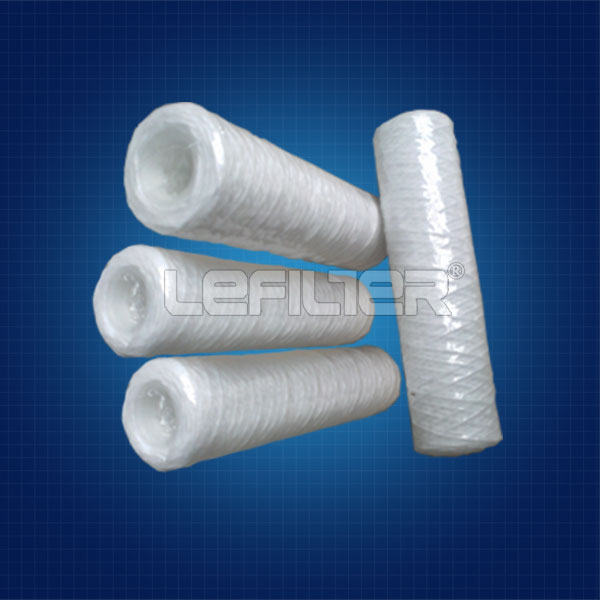
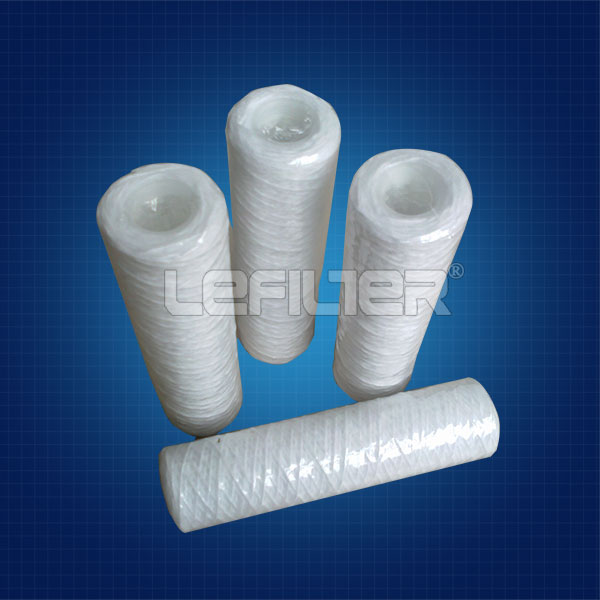
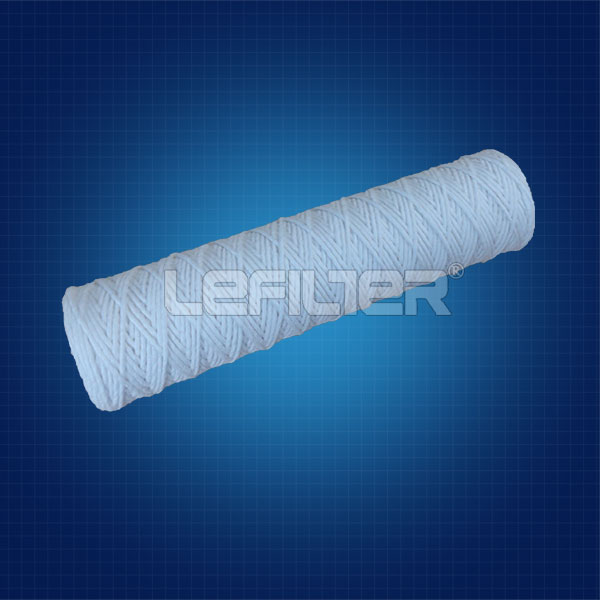
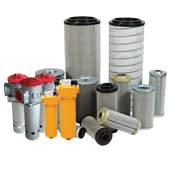
The string wound filter cartridge is a depth-type filter element designed for low-viscosity, low-load liquid filtration. It is always installed inside water filter housing and used together with self-cleaning filter in multi-stage filtration systems to intercept fine suspended particles before the liquid enters precise filters or membrane systems. It is manufactured by tightly winding textile fiber yarns, such as polypropylene yarn and degreased cotton yarn, onto a porous support core, which can be PP or stainless steel. The unique gradient honeycomb structure with larger outer pores and smaller inner pores realizes excellent depth filtration performance. During the winding process, manufacturers adjust yarn thickness and winding tension to control the density gradient from outside to inside. This special structure allows the outer layer to trap large impurities, while the inner layer captures tiny particles, greatly improving the dirt holding capacity and filtration efficiency. The filtration accuracy of the string wound filter cartridge is determined by yarn thickness and winding density: finer yarn and tighter winding produce higher precision. Meanwhile, the fiber structure can remain stable under rated pressure, providing consistent and uniform filtration effect throughout its service life. Compared with many disposable filter elements, this wound cartridge is economical and reliable for pre-treatment of pharmaceutical liquid, beverage, pure water and chemical solvents.
Working Principle

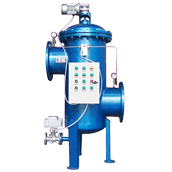
The core filtration mechanism of the string wound filter cartridge is depth filtration based on gradient pore structure. Raw liquid flows radially from the outer surface of the cartridge towards the inner support core. Thanks to the outer-large-inner-small pore gradient, larger suspended solids, rust and flocs are captured by the outer fiber layer first. Fine particles penetrate deeper and are trapped in the inner dense fiber layers. This layered interception avoids rapid surface blockage, so the filter element can hold much more contaminants and maintain a stable low pressure drop for a long time. The supporting porous core provides mechanical strength to prevent the cartridge from collapsing under working pressure. Different fiber materials are selected to match the chemical property of the fluid, to avoid fiber dissolution or chemical reaction. In a complete filtration system, the string wound filter cartridge is usually fitted in water filter housing. When the upstream fluid contains massive large debris, a self-cleaning filter will be installed in front to remove oversized impurities, protecting the wound cartridge from severe abrasion and premature clogging. After the filter cartridge reaches its maximum dirt holding capacity and the pressure difference rises to the set value, users replace the cartridge with a new one to restore the filtration performance.
Main Structure
Fiber Winding Layer:
The main filtration medium. Optional materials: polypropylene fiber, degreased cotton fiber, glass fiber. The winding density forms gradient pores for depth filtration.
Porous Support Core:
Two mainstream options: polypropylene core or stainless steel core. It supports the winding fiber layer and resists pressure.
End Caps:
PP end caps, with standard sealing structure, matching the inner gasket of water filter housing to prevent liquid bypass.
Sealing Gasket (Optional):
EPDM, silicone or Buna-N gasket, to achieve reliable sealing inside the filter housing.
Core Advantages
Gradient Depth Filtration Structure:
Outer pores larger, inner pores smaller. It realizes layered particle interception, high dirt holding capacity and longer service life.
Low Pressure Drop & Large Flow Rate:
Smooth flow channel inside the fiber layer, less flow resistance, suitable for large-volume continuous liquid filtration.
High Compressive Strength:
Stable structure under rated working pressure, not easy to deform or collapse.
Wide Chemical Compatibility:
Multiple fiber and core material options, can adapt to pH range from 1 to 13.
Safe & Non-toxic:
Food-grade and medical-grade material options, no odor, no secondary pollution to the liquid.
Economical Pre-filter Solution:
Lower cost than high-flow pleated cartridges, perfect for pre-treatment protection of RO membrane, ultrafiltration and precision filters.
Standard Size Compatibility:
Standard 10/20/30/40 inch length, Φ65mm outer diameter, widely compatible with mainstream water filter housing on the market.
Technical Specification Table
| Item | Parameter |
|---|---|
| Outer Diameter | Φ65 mm |
| Standard Length | 10", 20", 30", 40" |
| Support Core Material | Polypropylene / Stainless Steel |
| Working Pressure | PP core: 0.6 MPa; Stainless steel core: 0.8 MPa |
| Max Working Temperature | Degreased cotton fiber: 120℃; PP / glass fiber: 90℃ |
| Applicable PH Range | 1–13 |
| Filtration Accuracy | 1μm, 5μm, 10μm, 20μm, 50μm, 100μm (customizable) |
| Sealing Material | Silicone, EPDM, Nitrile rubber |
Application Scenarios
Pharmaceutical Industry:
Pre-filtration of injection liquid, medicinal agent, washing water for vials, large infusion solution and traditional Chinese medicine injection.
Food & Beverage Industry:
Filtration of wine, beverages, mineral water and drinking water, removing suspended sediment and colloids.
Electronic Industry:
Pre-filtration for pure water and ultra-pure water production system, protecting RO and UF membrane elements.
Petrochemical Industry:
Filtration of organic solvent, acid and alkaline liquid, oilfield injection water filtration.
Water Treatment:
Municipal water supply, industrial circulating water pre-filtration, matched with water filter housing and self-cleaning filter for multi-stage purification.
Other Industries:
Coating, ink, electroplating liquid and chemical additive filtration.
Buying & Selection Guide
When selecting a string wound filter cartridge, buyers need to confirm these key points: required filtration accuracy, operating temperature, liquid pH value, flow rate, compatible filter housing size and chemical medium. For high-temperature liquid, degreased cotton fiber type is recommended; for strong acid and alkali fluid, polypropylene material is the preferred choice. If the upstream liquid contains lots of large debris, configure a self-cleaning filter before the water filter housing to extend the service life of wound cartridges. If you need food or pharmaceutical grade, we will provide material certification for traceability. Standard length and diameter can fit most commercial water filter housing directly without modification.
FAQ
Q1: What is the difference between string wound filter cartridge and pleated filter cartridge?
A: String wound cartridge adopts gradient depth filtration with higher dirt holding capacity and lower cost, mainly used for pre-filtration. Pleated filter cartridge has higher surface filtration precision, usually for fine polishing filtration.
Q2: Can the string wound filter cartridge be cleaned and reused?
A: It is a disposable depth filter element. Once clogged, the fiber pores cannot be fully restored by washing, so replacement is required.
Q3: How to match it with water filter housing?
A: Confirm the cartridge length and inner core interface. Our standard Φ65mm string wound cartridges are compatible with most common 10–40 inch filter housings.
Q4: What is the typical service life?
A: It depends on raw liquid turbidity and contaminant concentration. When the pressure difference across the filter housing rises to 0.2–0.3 MPa, it is time to replace the cartridge. The upstream self-cleaning filter can effectively prolong its service cycle.
Q5: Do you provide material certificates for food and medical use?
A: Yes. We can supply food contact certificates and raw material test reports for pharmaceutical and food-grade string wound filter cartridges.
Related Products
Activated carbon filter for circulating water in chemical plants
Shallow Sand Filter LFQ-2400 Is for Agricultural Irrigation
XF Series auto self cleaning strainer
Please fill in your procurement needs and contact information