1. Overview of Lithium Battery Wet Process and Filtration Duty
The whole wet manufacturing workflow for cathode and anode materials involves multiple liquid treatment links, and the high flow filter cartridge paired with suitable water filter housing acts as the final safety barrier to intercept fine solid particles, colloids and foreign debris before the liquid enters the reaction tank or washing unit. Unlike conventional municipal water filtration, lithium wet process fluids feature variable viscosity, sharp particle spikes and strict limits on metal contamination. Even tiny iron, silicon or undissolved powder impurities can trigger micro short circuits, capacity attenuation and batch scrapping of finished battery cells. As production capacity of lithium material factories expands, traditional small pleated cartridges often fail to meet large-volume continuous filtration demands, bringing frequent shutdown risks for online filter replacement.

2. Core Filtration Challenges in Lithium Wet Process
2.1 Fast fouling and short service life of filter elements
Slurry and washing liquid carry abundant submicron to several-micron solid particles. Standard filter media cake quickly under high flow rates. Frequent cartridge change increases labor cost and interrupts continuous production. Many production lines running imported filters report that actual service cycles are far shorter than lab test data under real slurry circulation conditions.
2.2 Strict metal ion and stray particle control requirements
Cathode materials such as lithium iron phosphate and ternary materials are extremely sensitive to heavy metal pollution. Common filter housing with inferior welding, poor surface polishing or non-compliant sealing materials may introduce metal shedding. Ordinary carbon steel or low-grade stainless steel structures cannot adapt to long-term contact with weakly acidic washing liquid in the wet workshop.
2.3 Large instantaneous flow and pressure fluctuation
Modern lithium wet lines run at high throughput. Sudden flow surges will impact filter assemblies. Poor structural strength of filter housing leads to deformation, seal leakage and bypassing of unfiltered liquid. Conventional small filter vessels require many parallel units, which occupies valuable workshop floor space and complicates pipeline layout.
2.4 Cross-contamination risk during filter replacement
Multiple batches of materials are produced on the same wet line. If the filter system lacks easy disassembly and thorough flushing design, residual powder trapped inside the housing will mix into subsequent batches and cause material inconsistency.
3. LEFILTER Targeted Filtration Solutions for Lithium Wet Process
3.1 High flow filter cartridge optimized for lithium material liquid
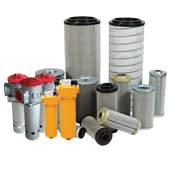
LEFILTER customized high flow filter cartridge adopts gradient-density composite filter media. The outer coarse layer intercepts large particles, while the inner fine layer captures colloidal and fine powder contaminants. This gradient structure greatly extends dirt holding capacity compared to equal-density imported alternatives. The cartridge supports large flow per unit element, cutting down the total quantity of filter elements required on-site. It is available in PP, PES and all-PTFE media options to adapt to different pH values of slurry and washing liquid. All raw materials are low metal extraction grade to meet lithium battery material purity standards.
3.2 Sanitary grade stainless steel water filter housing
The matched water filter housing is manufactured from 316L stainless steel, with internal mirror polishing and smooth weld seams to reduce particle adhesion and facilitate CIP cleaning. The housing structure is designed for quick opening, allowing operators to complete cartridge replacement rapidly. Multiple housing configurations including single-cartridge and multi-cartridge parallel models can be selected according to flow parameters. Pressure relief ports, differential pressure monitoring interfaces and sanitary clamp connections are reserved for seamless integration into existing wet process pipelines.
3.3 Combined pre-filtration + fine filtration system
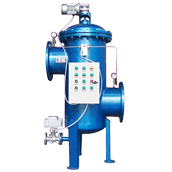
For the full wet line, LEFILTER recommends a staged filtration layout. Coarse self-cleaning filters are installed upstream to remove large agglomerates, protecting downstream high flow cartridges from premature clogging. The fine filter bank with water filter housing works as the polishing stage. The whole set can be equipped with differential pressure alarm modules. When the pressure difference reaches the preset threshold, the system sends a reminder for maintenance instead of waiting for sudden blockage and emergency shutdown.
3.4 Customized sealing and validation service
All sealing gaskets are selected from EPDM or PTFE, resisting chemical erosion from washing agents and solvent additives. LEFILTER supports on-site flow test, sample trial and cleanliness verification before formal delivery. The technical team adjusts filtration precision and media type based on customers’ actual slurry solid content, pH and operating temperature.

4. Benefits Brought by the Optimized Filtration Package
First, the overall maintenance cycle is extended, reducing consumable consumption and production interruption frequency. Second, low-metal filter media and sanitary housing effectively lower impurity risk and stabilize the consistency of cathode and anode powder. Third, fewer filter elements are needed for the same flow rate, simplifying pipeline layout and saving workshop area. Fourth, compared with imported brands, LEFILTER’s integrated solution provides shorter lead time and more competitive total cost of ownership without sacrificing filtration performance. Many lithium material clients have achieved stable long-term operation after replacing their original imported filtration assemblies.
5. Conclusion
Filtration is an invisible but critical link inside lithium battery wet process. Simple filter upgrades cannot solve systematic problems caused by mismatched media, insufficient housing strength or unreasonable process layout. The combination of customized high flow filter cartridge and sanitary water filter housing offers a practical path for lithium enterprises to balance filtration precision, throughput and operating cost. As the new energy industry keeps raising standards for material quality, stable, verifiable and traceable industrial filtration systems will become standard configuration for advanced wet production lines. LEFILTER continues to develop lithium-specialized filtration products and full-process filtration schemes for slurry preparation, material washing and pure water circulation segments.
FAQ
Q1: What filtration rating is commonly used for lithium battery wet process polishing filtration?
A: Most lithium iron phosphate and ternary wet lines adopt 1μm to 5μm polishing filtration for washing liquid and feed liquid, while slurry protection filtration usually selects 5μm to 20μm grade, depending on material formulas.
Q2: Can these high flow cartridges work with CIP cleaning cycles?
A: PES and PTFE versions support CIP hot water and dilute chemical cleaning. PP cartridges are not suitable for repeated high-temperature cleaning and are generally disposable consumables.
Q3: Is 304 stainless steel acceptable for lithium wet filter housing?
A: 316L is the preferred material. 304 may suffer from corrosion and metal ion leaching under long-term contact with acidic washing liquid, which may contaminate battery materials.
Q4: Can LEFILTER supply complete filter skids ready for direct installation?
A: Yes. We can assemble filter housing, pressure gauges, valves, differential pressure transmitters and pipe frames into integrated skids according to P&ID drawings provided by lithium material customers.
Q5: How to judge the right quantity of high flow filter cartridges for a wet line?
A: It is calculated by total flow rate, allowable initial pressure drop and selected cartridge flow rating. Our engineering team will finish sizing after receiving your working condition sheet.
Recommended Related Articles
Difference Between High Negative Pressure Dust Collector and Standard Dust Collector
Application of Automated Dry Ice Blasting Technology in Lithium‑Ion Battery Manufacturing
Application of Self-Cleaning Filters in Aluminum Die-Casting Circulating Cooling Water
Middle and Senior Management Training: "The Wisdom of a Team - Heart Method" in Zhengzhou
Suspended particulate matter removal shallow sand filter