Water is the source of life and an indispensable medium in industrial production. Natural water often contains many impurities such as suspended solids, silt, colloids, and organic matter. How can we effectively remove these to make the water clean and safe?
Let's talk about a low-key yet important "guardian of clean water" in the field of water treatment—the multi-media filter.
What is a multi-media filter?
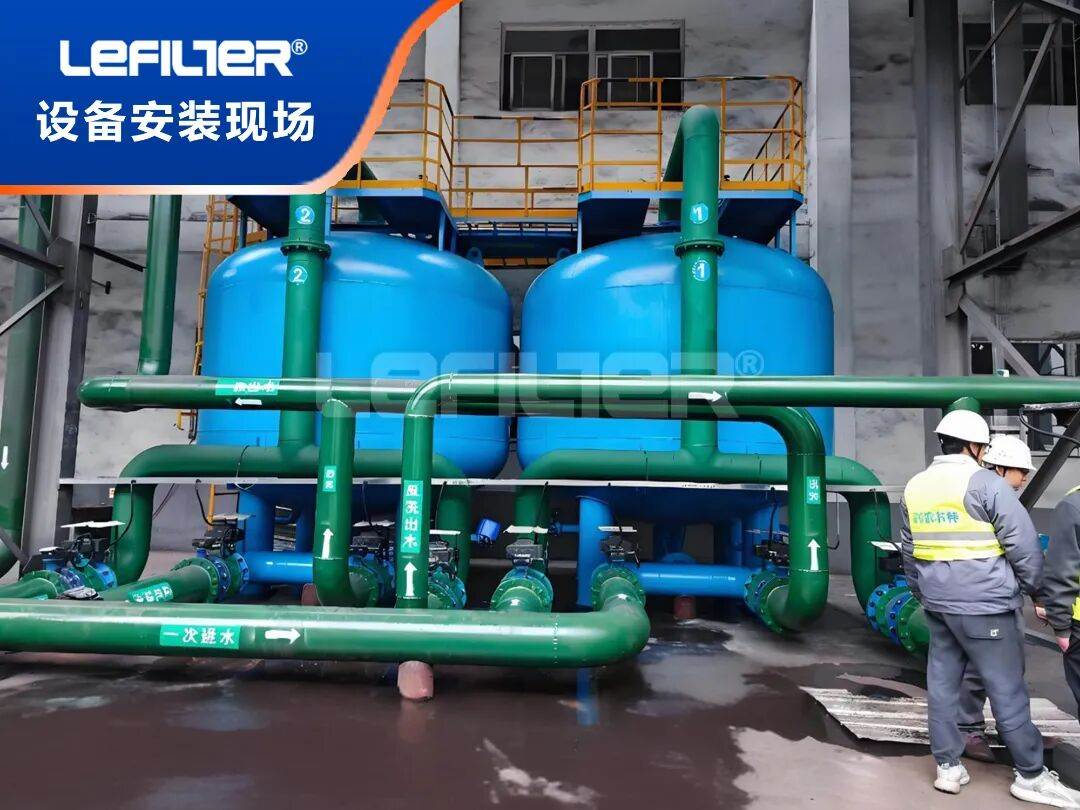
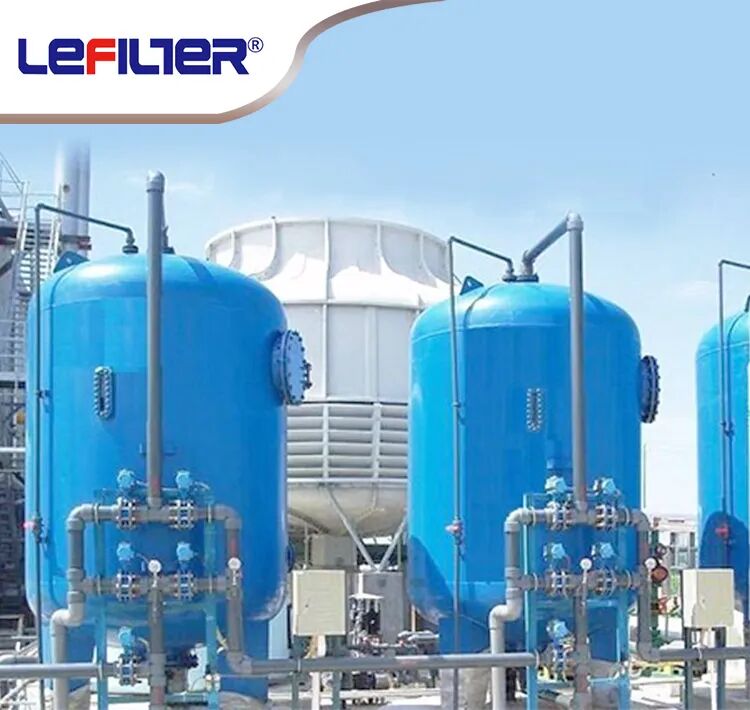
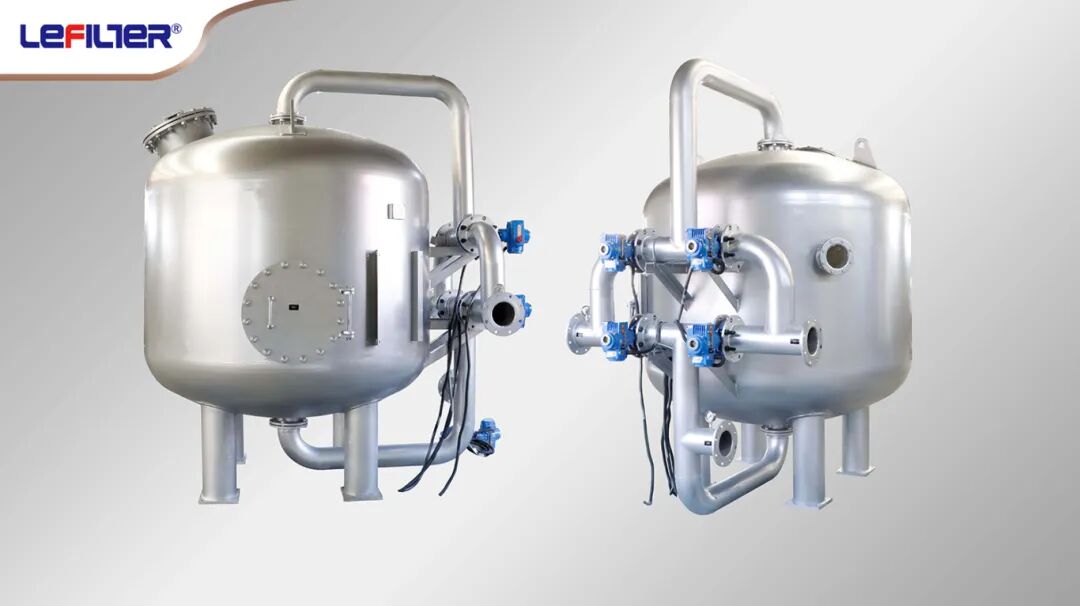
A multi-media filter, as the name suggests, uses two or more filter media (such as anthracite, quartz sand, etc.) to filter raw water under pressure, effectively removing suspended particles, colloids, organic matter, and other impurities. It offers excellent filtration performance, strong contaminant removal capacity, controllable operating costs, and convenient operation and maintenance, thus playing a vital role in many fields.
In which scenarios does it typically appear?
1. Industrial Circulating Cooling Water Treatment: In industrial production, the introduction of large amounts of suspended solids or algae into cooling water systems can easily lead to pipe blockage, equipment scaling, and even corrosion. Multi-media filters, as a pre-treatment unit, effectively intercept these impurities, helping to improve system efficiency and extend equipment lifespan.
2. Pre-treatment Equipment for Membrane Treatment Systems: Membrane systems like reverse osmosis and ultrafiltration have very high requirements for influent water quality, especially avoiding clogging by suspended solids and colloids. Multi-media filters effectively control the sludge density index in the influent, protecting these delicate and valuable membrane components, making them a crucial part of advanced water treatment processes.
3. Purification Equipment for Urban and Rural Water Supply: Urban tap water, groundwater, and surface water may have high iron and manganese content and high turbidity. Multi-media filters effectively improve water quality and can be used as pre-treatment equipment for drinking water in residential areas, villages, factories, and other locations, providing clear and clean drinking water.
4. Advanced wastewater treatment unit: In wastewater treatment and greywater reuse projects, multi-media filters are often used as tertiary treatment equipment to remove residual suspended solids in the water, so that the treated water can be used for landscaping, flushing, industrial cooling, etc., realizing the recycling of water resources.
5. In industries such as petroleum, chemical, power, and metallurgy, different processes have different requirements for water quality. Multi-media filters, due to their flexibility and reliability, are often used as a basic unit in water treatment processes to meet the water needs of various scenarios.
6. Swimming pools and aquaculture also require clean water. Multi-media filters effectively remove organic matter and suspended particles from the water through circulating filtration, providing a comfortable and clear aquatic environment for swimmers and aquatic life.
ADVICE: When using a multi-media filter, it is generally recommended that the influent turbidity not exceed 20-50 NTU, the normal operating pressure be between 0.2-0.6 MPa, and the operating flow rate be controlled at 8-12 m/h. This will ensure that the effluent turbidity remains stable at a low level.