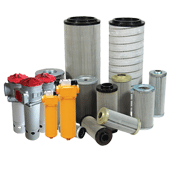
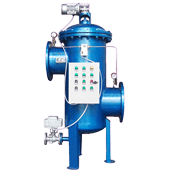
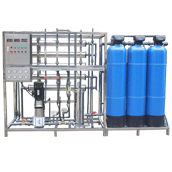
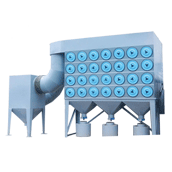
In water treatment systems in the petrochemical industry, media filters are a key component in ensuring that the water quality of subsequent processes meets standards. They intercept impurities such as crude oil residue and rust in the water through filter media. The drain valve is the channel for impurities to be discharged from the filter. Failure of the drain valve can lead to filter media caking and reduced filtration efficiency, which may indirectly affect the stable operation of downstream heat exchangers and reactors.
How do media filters "intercept" impurities in petrochemical water?
To resolve sewage discharge issues, it's essential to first understand the working principle of a media filter. Its core principle is "media adsorption + water flow permeation." Through a reasonable combination of filter media and water flow design, it achieves efficient interception of impurities:
Core Components: A media filter typically consists of a tank, a filter media layer (commonly quartz sand, anthracite, etc.), an inlet device, an outlet device, and a drain valve. The filter media layer is crucial for filtration.
Water Flow Direction: In petrochemical systems, water to be treated typically enters from the top of the filter and permeates the filter media layer at a uniform downward speed.
Filtration Process: As water permeates the filter media layer, large particles are intercepted by the larger particles in the upper layer (such as anthracite); medium-sized suspended solids are captured by the middle layer of quartz sand; and tiny particles are adsorbed by the lower layer of high-density filter media. Finally, clean water is discharged from the outlet device at the bottom of the filter.
Necessity of Sewage Discharge: As filtration continues, impurities gradually accumulate on the surface and inside the filter media layer, causing pore blockage and increased pressure difference between the filter inlet and outlet. Regularly draining the accumulated impurities through the drain valve is necessary to restore the filter's filtration capacity.
Drain Valve Not Discharging? 5-Step Troubleshooting Method for Effective Solution
1. First, rule out "Operational Errors"
Many times, a drain valve not working is not due to equipment damage, but rather to operational or parameter setting errors. Prioritize these two basic checks:
* Confirm the drain valve's open status: If it's a manual valve, check if the knob is turned to the "open" position; if it's an automatic valve, check if the control panel has been accidentally pressed "manual lock," or if the timed drain parameters (such as interval and duration) are set incorrectly. Ensure the valve is indeed receiving the "open" command.
* Verify the operating procedure: In some scenarios (such as after filter backwashing), the backwash valve must be closed before opening the drain valve. Reversing the procedure may result in no water flow from the drain outlet. Re-operate according to the equipment's operating procedures.
2. Check the "Pressure Value"
The normal operation of the drain valve relies on system pressure. If the pressure is abnormal, even if the valve is open, it will not be able to drain. The following points need to be checked:
Standard Pressure Range: The normal operating pressure differential of media filters in the petrochemical industry is typically 0.05-0.15 MPa. If the pressure differential is too low, check whether the upstream feedwater pump is operating normally, or whether the filter inlet valve is not fully open (insufficient water flow power will prevent impurities from being pushed to the drain valve);
Handling of High Pressure: If the pressure differential exceeds 0.2 MPa, it indicates that the filter media is severely clogged. Pressure must be released according to petrochemical safety regulations before proceeding with further investigation.
3. Disassembling the Valve Core
The drain valve of the media filter is in constant contact with petrochemical water containing impurities. The valve core and sealing ring are easily clogged or corroded by these impurities. Before disassembly, perform "power off and pressure relief":
Inspect the Valve Core: After disassembling the drain valve, observe whether the valve core is covered with filter media debris or rust. If impurities are present, rinse it clean with water. Also, check the valve core for scratches or deformation. If damaged, replace it with a stainless steel valve core of the same model (resistant to petrochemical wastewater corrosion).
Inspect the Sealing Ring: Check whether the sealing ring is aged or cracked. It is recommended to replace it with a fluororubber sealing ring (oil-resistant, corrosion-resistant, and suitable for petrochemical conditions).
4. Unblocking Pipelines and Valves
Blockage in pipelines or valve ports is a common cause of drain valves failing to discharge sewage, especially in petrochemical systems where impurities tend to accumulate at pipeline bends and valve gaps.
Inspect the drain pipeline: Observe the outer wall of the pipeline for scale or bulges. Open the drain flange at the end of the pipeline and blow it out with compressed air at 0.2-0.3 MPa to remove accumulated impurities.
Clean valve gaps: Gently brush the connection between the drain valve and the pipeline (valve sealing surface) with a fine brush to prevent impurities from blocking the valve. Be careful not to scratch the sealing surface (otherwise, it will cause the valve to leak).
5. Check the "Control Logic"
If the drain valve is an automatic valve (electric/pneumatic), the electrical or automation team needs to be consulted to check the control chain to avoid "signal interruption":
Electric valve check: Check if the motor power cable is loose; if the motor is unresponsive, check if the gearbox is stuck due to lack of oil;
Pneumatic valve check: Check if the air source pressure reaches 0.4-0.6MPa (normal operating pressure of the pneumatic valve), and check if the solenoid valve is leaking or blocked; the solenoid valve can be disassembled after power is off and cleaned of internal impurities with clean compressed air.
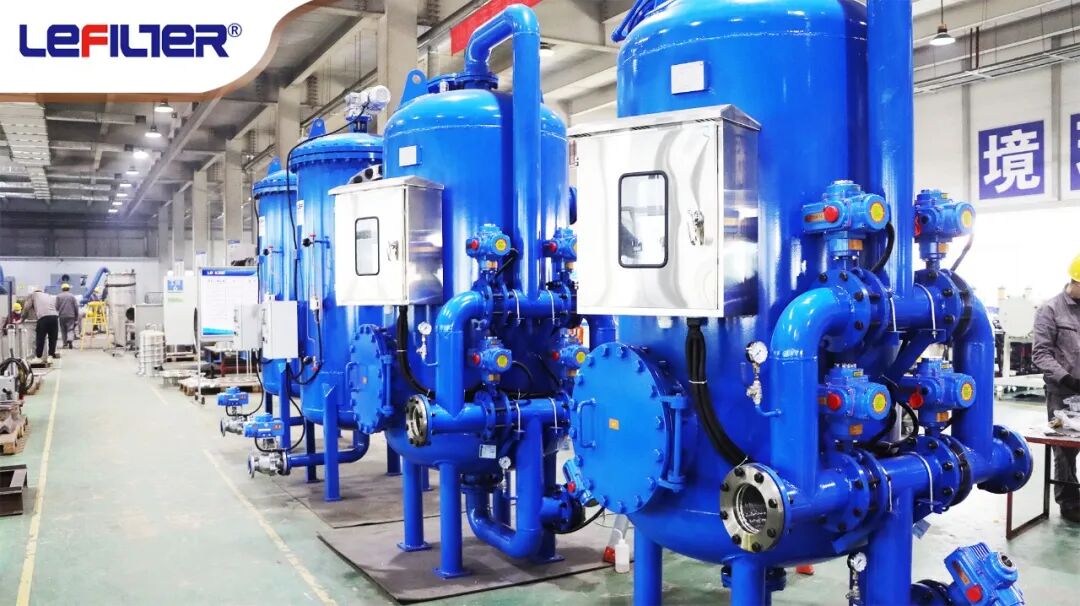
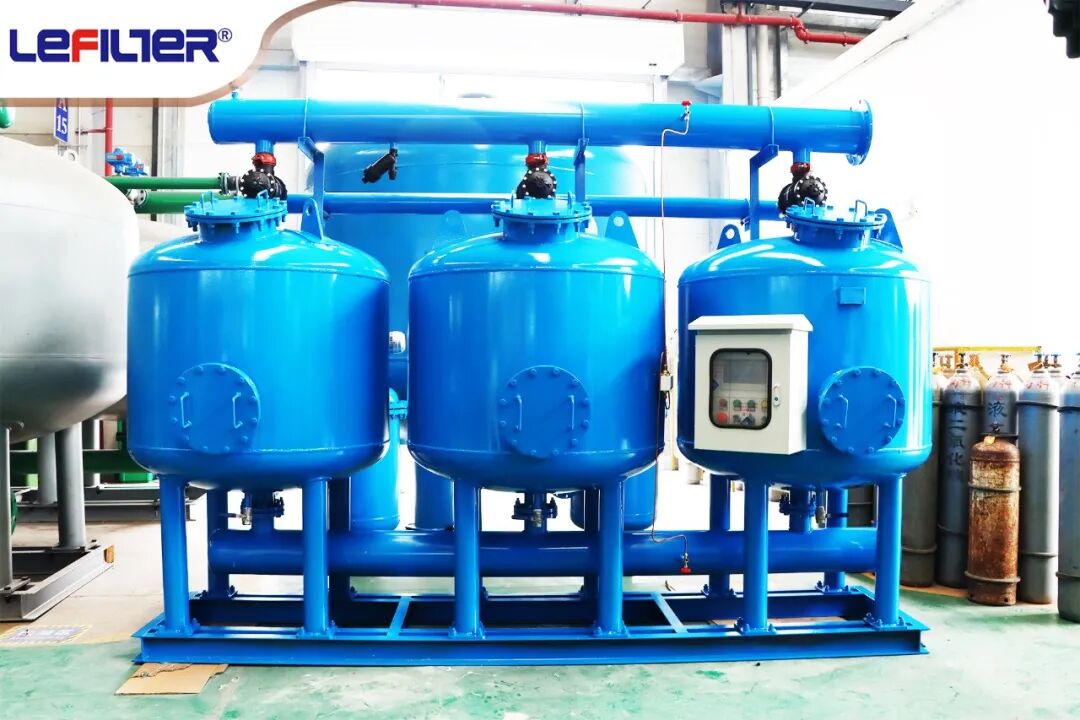
Four routine measures to reduce recurring sewage discharge failures:
1. Regular manual sewage discharge: Manually open the sewage discharge valve once every 1-3 months (discharge for 30-60 seconds each time, until the discharged water is clear). Automatic sewage discharge may have "dead zones," so manual sewage discharge uses a larger water flow to flush out residual impurities in the pipes, preventing valve core blockage.
2. Install a Y-type filter: Install a Y-type filter upstream of the sewage discharge valve to intercept large particles in the water in advance, reducing the impurity load on the sewage discharge valve.
3. Special maintenance for automatic valves: Check the gearbox oil level of electric valves every 6 months; check the air pipe sealing of pneumatic valves every 3 months, and clean the solenoid valve every 6 months to ensure a stable power source.
4. Regular filter media replacement: When the pressure difference between the filter inlet and outlet continuously exceeds 0.2 MPa, or the turbidity of the effluent exceeds the standard, the filter media must be replaced promptly. When replacing, fill in the filter media in the order of "high density at the bottom, low density on top," and backwash 2-3 times until the effluent is clear.
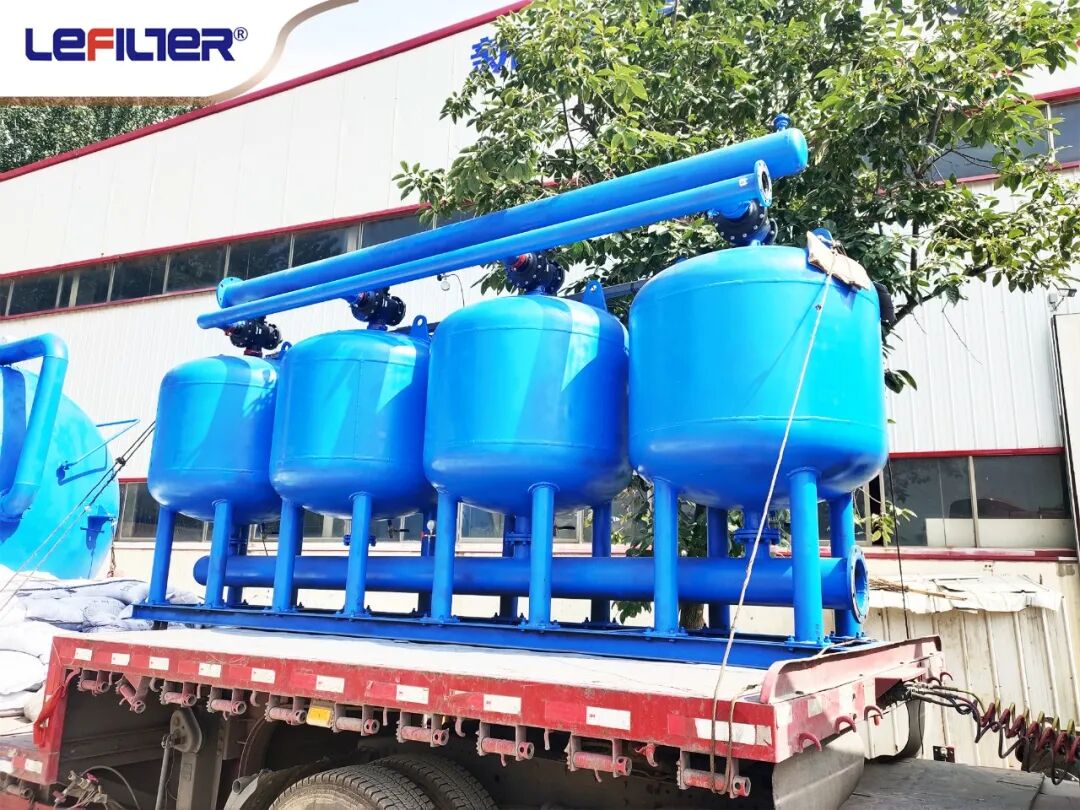
In petrochemical water treatment, the "high-efficiency filtration" of media filters and the "smooth discharge" of drain valves complement each other. Understanding the principles is essential for accurate fault diagnosis, following the procedures is crucial for effective problem solving, and daily prevention is essential for reducing recurrence.