The filtering challenges faced
Complex material composition and high process requirements
Raw materials often contain components such as oil, protein, colloids, fibers, etc., which can easily form sticky filter
cakes or clog filter membranes. For example, pectin in fruit juice can easily cause membrane fouling, and phospholipids
in edible oil can clog filtration equipment. During the filtration process, it is necessary to retain flavor compounds and
nutritional components, and there are high requirements for the selection of filtration equipment and processes.
Wastewater characteristics: three highs and one difficulty
Food wastewater often presents the characteristics of "three highs and one difficulty.
High concentration of organic matter:Carbohydrates, proteins, and other substances in the raw materials result
in extremely high COD/BOD values, leading to high processing energy consumption.
High oil content: especially animal and vegetable oils, which are prone to emulsification and difficult to separate,
affecting the efficiency of microbial treatment.
High suspended solids content: easy to block pipeline equipment, affecting the subsequent treatment effect.
Large fluctuations in water quality and quantity: affected by seasonal and batch production, the stability of the
treatment system is being tested.
Common water treatment systems
Suitable for the production of high-end beverages, beer, etc. The general process is as follows:
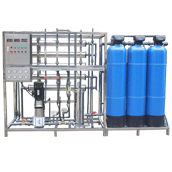
Preprocessing → Primary Reverse Osmosis → Secondary Reverse Osmosis → EDI/Mixed Bed Ion Exchange
→ Ultrafiltration/UV Sterilization → Pure Water Tank
The reverse osmosis device is a core desalination equipment that can remove most ions, organic matter, and
microorganisms.
Suitable for the production of high-end beverages, beer, etc. The general process is as follows:
Preprocessing → Primary Reverse Osmosis → Secondary Reverse Osmosis → EDI/Mixed Bed Ion Exchange
→ Ultrafiltration/UV Sterilization → Pure Water Tank
The reverse osmosis device is a core desalination equipment that can remove most ions, organic matter, and
microorganisms.
Remove calcium and magnesium ions through softening or reverse osmosis, and then remove dissolved oxygen
through a deaerator to prevent boiler and pipeline corrosion.
The typical process is:
Wastewater → Grille → Regulating tank → Coagulation air flotation → Anaerobic/Aerobic tank → MBR membrane
tank → Disinfection tank
This system can efficiently treat high concentration organic wastewater and achieve water resource reuse.
Core filtering equipment and application scenarios

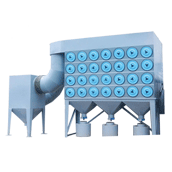
Diagonal tube/inclined plate/high-density sedimentation tank
Efficient solid-liquid separation: suitable for pretreatment of wastewater containing a large amount of suspended
solids and colloids.
Small footprint and fast processing: Short settling time, occupying only 1/3-1/2 of the traditional sedimentation tank.
Strong adaptability: It can cope with fluctuations in the quality of food wastewater and is often used in combination
with coagulants to improve purification efficiency.
Enhanced pretreatment and deep purification: removes suspended solids, colloids, and some oils, suitable for food
wastewater with large water quality fluctuations.

MBR membrane bioreactor
Replacing traditional secondary sedimentation tanks: integrating biochemical reactions and membrane filtration,
resulting in almost zero suspended solids in the effluent.
Suitable for high standard discharge and reclaimed water reuse: stable effluent quality, suitable for enterprises
with tight land use or high automation requirements.
Enhanced processing capability: capable of maintaining high sludge concentration and withstanding high organic
load impacts.

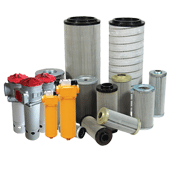
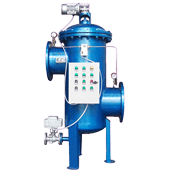
Multi-media filter
Quartz sand filter: mainly used to remove suspended solids such as sediment and rust from raw water, and
protect subsequent equipment.
Activated carbon filter: a core adsorption equipment used to remove residual chlorine, organic matter, and
odors, ensuring the quality of process water.

Security filter (precision filter)
Protecting the core membrane system: Installed in front of reverse osmosis, ultrafiltration and other equipment to prevent small particles from damaging
the membrane components.
Terminal water quality assurance: After ultraviolet or ozone disinfection, further interception of microbial residues
and particulate matter is carried out to ensure the safety of final water use.
The filtration and water treatment in the food industry are technical requirements in the production process and
important supports for enterprises to achieve environmental compliance, resource recycling, and sustainable
development. Selecting appropriate filtration systems and equipment from raw material clarification to wastewater
reuse can effectively improve product quality, reduce operating costs, and help enterprises achieve green production.
With the continuous advancement of technology, efficient, intelligent, and integrated filtering solutions will play an
increasingly important role in the industry.
Let industries around the world be related to us, let our footprints cover every corner of the world, and use our
products to make people's lives happier.
——LEFILTER Vision