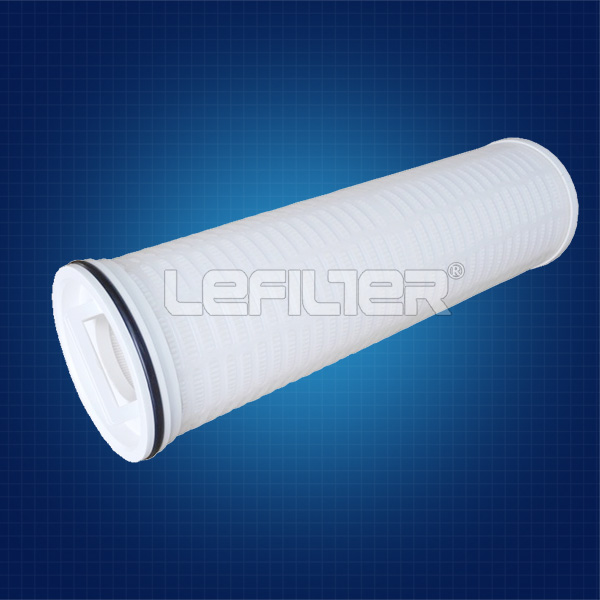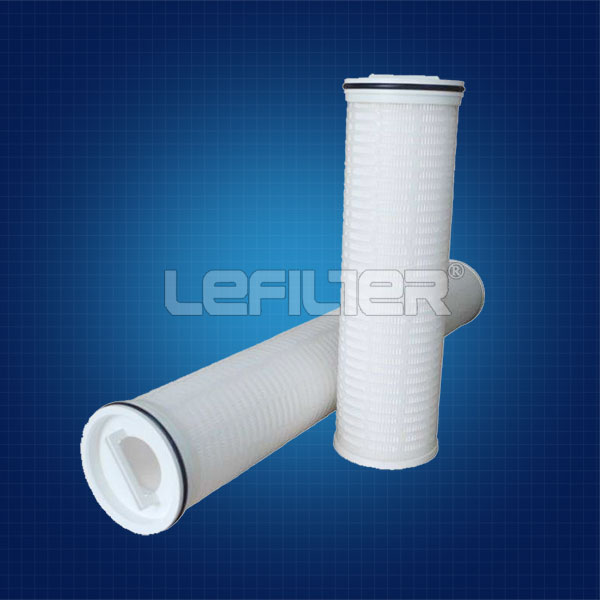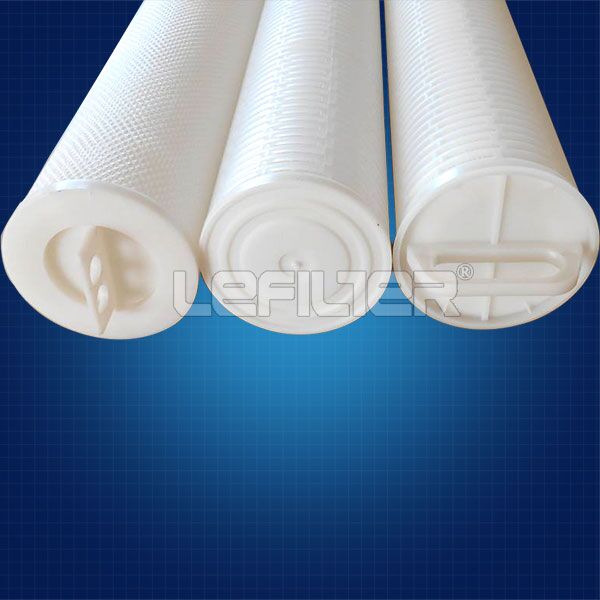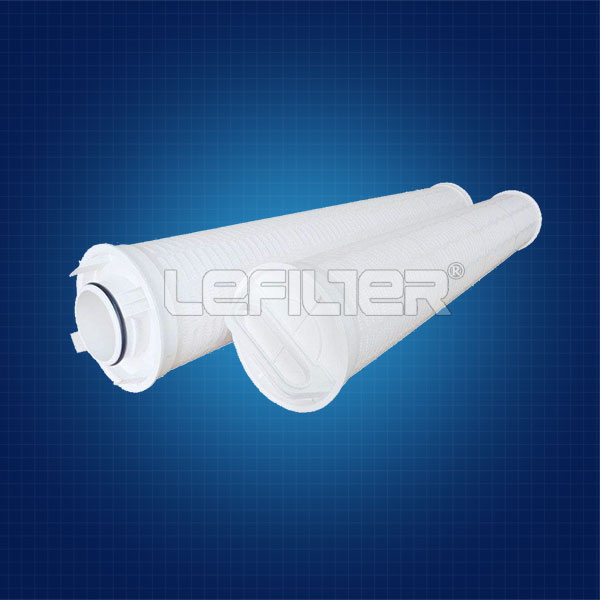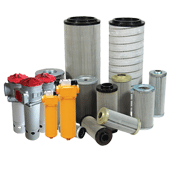


High Flow Filter Cartridge for Power Plant Condensate Water Treatment
Introduction:This article highlights the application and core value of high-flow filter cartridges in power plant condensate water treatment. It outlines critical technical parameters, the "inside-to-out" working principle, and major operational advantages such as ultra-high dirt-holding capacity, low pressure drop, and rapid maintenance. Additionally, the text covers typical energy generation applications, cost-efficiency analyses demonstrating lower total cost of ownership (TCO) via OEM-compatible alternatives, and answers frequently asked questions regarding filtration precision and replacement thresholds.
We're here to help:
Easy ways to get the answers you need.
Product parameter:
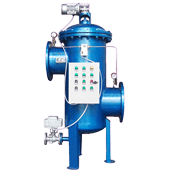
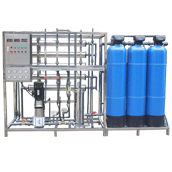
In thermal and nuclear power plants, maintaining the ultra-pure quality of feedwater is critical to ensuring turbine efficiency, protecting boiler tubes from corrosion, and preventing costly unscheduled downtime. Condensate water—steam that has condensed back into liquid form after driving the turbine—accounts for a vast majority of the total feedwater system. However, during continuous circulation, condensate water accumulates metal oxides (such as iron rust and copper particulate clusters) generated by piping erosion, as well as colloidal silica and suspended solids. Integrated with high flow filter cartridge, water filter housing and self-cleaning filter, the condensate polishing system delivers stable particulate removal for power station water loops.
To remove these particulates before the water enters the demineralizer or high-pressure heaters, power facilities rely heavily on High Flow Filter Cartridges in their Condensate Polishing Systems (CPS). Replacing traditional 2.5-inch filter elements with industrial high-flow filtration technology has become the industry standard.
This comprehensive technical guide explores how high-flow filter elements work in power plant condensate water treatment, their key performance advantages, and how choosing the right replacement cartridges reduces total operational costs (TCO).
Technical Specifications & Parameters
When selecting high-flow filter cartridges for high-temperature, high-pressure, and high-purity condensate water application, precise engineering parameters are paramount. Below is a standard specification reference for power plant condensate filtration cartridges:

Working Principle in Condensate Polishing

The condensate filtration unit is typically positioned directly upstream of the ion exchange resin beds or deep-bed demineralizers in the power plant water treatment loop.
Inside-to-Out Flow Design:
Raw condensate water enters through the inner core of the filter cartridge and flows outward through the radially pleated filter media. All captured iron oxides, particulate contaminants, and corrosion products remain safely trapped inside the cartridge cavity. This design guarantees that contaminants will not spill back into the clean effluent side during filter change-out.
Radial Pleat & Depth Microfiber Filtration:
The high-loft microfiber matrix creates a three-dimensional depth-filtering structure. Large suspended rust particles are caught on the outer gradient layers, while fine particulate oxides are trapped deep within the microfiber matrix.
Protection of Downstream Resins:
By removing over 99% of particulate iron and suspended solids before the condensate reaches the ion exchange beds, the high-flow filter prevents resin fouling, pressure drop spikes, and premature resin degradation.
Core Advantages for Power Plant Operators
1. Ultra-High Dirt Holding Capacity & Extended Service Life
Power plant condensate polishing systems handle massive volume throughputs (often exceeding 500–1,500 m³/h per train). High-flow filter cartridges feature specialized radial pleat technology that expands the effective filtration area in a compact footprint. Compared to traditional 2.5-inch melt-blown or string-wound cartridges, a single 60-inch high-flow cartridge provides up to 15 times the dirt-holding capacity, significantly extending run cycles between replacements.
2. Lower Initial Differential Pressure & Energy Efficiency
Thanks to the large internal core diameter (typically 3 inches) and high-porosity polypropylene microfibers, high-flow filter elements exhibit extremely low clean initial pressure drop (DP<0.1bar). Lower hydraulic resistance translates directly into reduced condensate pump energy consumption across long operational periods.
3. Rapid Maintenance and Minimal Downtime
In modern power generation facilities, minimizing labor intensity and maintenance windows during turnarounds or forced outages is critical:
Fewer Elements to Replace: One 60-inch high-flow cartridge can replace up to 30 standard 10-inch filter elements. Replacing a 100-cartridge system reduces the element count down to just 3 or 4 high-flow units.
Ergonomic Design: Equipped with integrated top carry handles, technicians can replace cartridges in minutes without needing specialized tools or overhead cranes.
4. Thermal & Structural Integrity
Power plant condensate water often operates at elevated temperatures under variable flow pressures. High-performance high-flow filter elements feature reinforced polypropylene core-and-cage construction combined with thermal bonding (no adhesives or glues), eliminating the risk of bypass, media migration, or chemical extractables leaching into pure feedwater.
Primary Application Scenarios in Energy Facilities
High flow filter cartridges play vital roles across various power generation platforms:
Coal-Fired Power Plants: Condensate water polishing, boiler feedwater pre-filtration, and cooling tower blowdown treatment.
Combined Cycle Gas Turbine (CCGT) Plants: HRSG (Heat Recovery Steam Generator) feed-water purification and condensate corrosion-product removal.
Nuclear Power Stations: Secondary circuit condensate polishing to capture colloidal cobalt and iron oxides before steam generator entry.
District Heating & Biomass Plants: Steam condensate recovery lines and return water loop clarification.
Cost-Efficiency & ROI Analysis: OEM Replacement vs. Original
For procurement managers and plant engineers, sourcing direct OEM-compatible replacement high-flow filter cartridges provides a compelling balance between technical reliability and budget optimization.
1. Direct Retrofit Compatibility:
High-performance replacement filter elements are engineered to match exact dimensions, end-cap geometries, and gasket specs of standard industrial high-flow vessel housings. Zero piping or vessel modifications are required.
2. Lower Total Cost of Ownership (TCO):
Purchasing Cost: Replacement cartridges typically reduce unit procurement expenditure by 30% to 50% compared to original equipment manufacturers.
Disposal Cost: Fewer cartridges used means smaller volumes of hazardous solid waste to dispose of or incinerate.
Labor Cost: Reduced element swap time cuts technical labor hours per maintenance event by over 70%.
FAQ
Q1: What micron rating is recommended for power plant condensate polishing?
A: Typically, 1 μm to 5 μm absolute-rated filter elements are recommended for condensate polishing systems. A 5 μm element efficiently captures fine suspended iron oxides (Fe2O3, Fe3O4) while maximizing filter lifespan. If strict protection is required for resin beds or high-pressure steam generators, a 1 μm or 2 μm element is preferred.
Q2: Why is the "Inside-to-Out" flow direction preferred for condensate water filtration?
A: In an inside-to-out configuration, all retained corrosion products and particulate solids accumulate on the inner surface and core of the filter cartridge. When the filter vessel is opened for maintenance, pulling out the spent cartridge extracts all collected contaminants cleanly, preventing any dirt from washing into the downstream clean side of the housing.
Q3: When should power plant operators replace high flow condensate filter elements?
A: Cartridge replacement should be initiated when either of two conditions is met:
Differential Pressure: The terminal pressure drop across the vessel reaches the recommended threshold, usually 1.5 to 2.1 bar (22 to 30 psi).
Scheduled Outages: During major planned plant maintenance turnarounds, or if the filter has been in continuous service for 6 to 12 months.
Related Products
RTM61HF200E 60 Inch High Flow Filter Cartridge
HFU660UY200H13 Replacement High Flow Filter Cartridge
Pentair Aqualine ALN01‑60B Large‑Diameter High‑Flow Pleated Filter Cartridge
3M 5613503 HF90 Quick‑Connect 0.2μm High‑Flow Water Filter Cartridge
Please fill in your procurement needs and contact information