

PP Bag Filter Housing for Acid and Alkali Resistant Liquid Filtration
Introduction:The PP bag filter housing is an injection molded corrosion resistant filtration unit specially built for acid, alkali, seawater and aggressive chemical liquid filtration. Integrated with a water filter housing and a self-cleaning filter in a complete liquid treatment loop, it protects downstream pumps, valves and membrane elements from particle damage while maintaining stable throughput. We supply six injection molded models with reliable filter bag ring sealing and consistent pressure resistance. As a lightweight and economical alternative to stainless steel, this polypropylene filter housing delivers dependable performance for chemical processing, surface treatment, electronics and seawater applications.
We're here to help:
Easy ways to get the answers you need.
Product parameter:
Product Introduction
The PP bag filter is a one piece injection molded filter housing manufactured from modified polypropylene, designed specifically for the filtration of corrosive and chemically active liquid streams. Unlike stainless steel bag filters that may suffer from pitting, stress corrosion or metal ion contamination under certain aggressive media, this polypropylene housing keeps the entire wetted path free of metal, which is a critical advantage when processing acids, alkali solutions, brine, seawater or chemically sensitive pharmaceutical and electronic fluids.
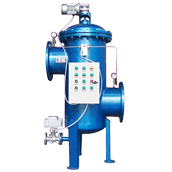
As a professional water filter housing, this PP unit can be combined with a self-cleaning filter to build a multi stage liquid purification solution. In a typical set up, the self-cleaning filter first removes larger suspended solids from the liquid, then the PP bag filter refines the stream by trapping finer particles, and finally downstream equipment receives cleaner fluid. This modular approach not only improves the final filtration quality but also extends the service life of expensive downstream components such as pumps, seals, flow meters and membrane elements.
The filter housing is molded in one piece, which means there are no welding seams that could weaken the body or create hidden leak paths. The smooth, one piece construction also eliminates dead zones where liquid can stagnate and accumulate contaminants, making the housing easier to flush and clean between batches. For process fluids that must be changed frequently, such as in paint, ink, resin or electroplating applications, this cleanability translates directly into less downtime and better product consistency.
We have developed six standard models to cover a wide range of flow and installation requirements: Size 1, Size 2, Size 2 flange type, Size 4, Size 5 and Size 6. Each model has been dimensioned to accept industry standard filter bags, so end users can source replacement filter media easily from multiple suppliers without being locked into a single source. The patented filter bag ring design deserves special attention. It creates a firm mechanical seal between the filter bag collar and the housing, preventing unfiltered liquid from bypassing the filter bag and leaking directly to the outlet. This sealing performance is essential for meeting strict filtration accuracy and product quality standards.
The housing features a simple structure that is quick and convenient to install. Because it is much lighter than a stainless steel housing of the same capacity, it can be mounted with simpler brackets, saving both structural cost and installation labor. An optional cover seal detection sensor can be fitted to monitor the sealing status of the top cover in real time. If the cover is not properly closed or a seal is worn, the sensor alerts the operator, reducing the risk of leakage and improving process safety.
For customers who need larger or more specialized units, we also offer custom colors and alternative materials including PET, PVDF and PTFE for bulk orders. This flexibility makes the PP bag filter suitable not only for standard corrosive filtration but also for high purity, high temperature or extremely aggressive chemical duties where standard polypropylene may not be sufficient.
Working Principle
The PP bag filter operates on a simple and reliable principle that combines pressure driven flow with mechanical particle retention. Raw liquid enters the filter housing through the side or bottom inlet and is directed into the internal filter bag. The filter bag is held in place by the patented sealing ring, which also prevents the incoming liquid from bypassing the filter media.
Inside the filter bag, solid impurities, particles, agglomerates and suspended matter are captured on the inner surface of the filter media. Meanwhile, the clarified liquid passes through the filter bag wall and collects in the space between the bag and the housing, from where it flows out through the outlet. Because the entire filtration takes place under working pressure, the unit can handle a continuous liquid stream without interruption during normal operation.

As contaminants accumulate on the filter bag, the flow resistance gradually increases and the differential pressure across the housing rises. When the differential pressure reaches the preset threshold, or when the production schedule calls for a change, the operator simply stops the flow, opens the top cover and lifts out the used filter bag. A new or cleaned filter bag is then installed, the cover is closed, and filtration resumes within a very short time. This quick replacement procedure minimizes downtime and keeps the production line running efficiently.
The direction of flow and the geometry of the housing are designed to ensure even distribution of liquid across the entire filter bag surface. This uniform flow pattern maximizes the effective filtration area, reduces localized clogging and extends the interval between filter bag changes. The result is a more stable filtration performance, a longer filter bag service life and a lower overall operating cost.
Because the housing material is chemically inert to most acids and alkalis, the working principle remains reliable even when the medium is corrosive. There is no risk of corrosion products contaminating the filtered liquid, which is especially important in food, pharmaceutical, electronic and high purity applications where the presence of dissolved metal ions must be strictly avoided.
Technical Parameters
The following table summarizes the key technical parameters of the PP bag filter housing. These values are the baseline specifications of our standard configuration and may be adjusted according to specific application requirements.
| Item | Specification |
|---|---|
| Housing Material | Modified Polypropylene (PP) |
| Optional Materials | PET, PVDF, PTFE (for bulk orders) |
| Available Models | 1#, 2#, 2# flange type, 4#, 5#, 6# |
| Max Working Pressure | 1.0 MPa |
| Max Working Temperature | 100℃ |
| Media Adaptability | Acid, alkali, seawater and other corrosive liquids |
| Sealing Design | Patented filter bag ring sealing |
| Optional Accessory | Cover seal detection sensor |
| Installation | Simple bracket mounting, lightweight body |
| Surface Customization | Custom colors available on request |
These parameters indicate that the PP bag filter is well suited to most corrosive liquid filtration duties found in chemical plants, surface treatment lines, electronics manufacturing and seawater systems. The 1.0 MPa maximum working pressure and 100℃ maximum continuous working temperature cover the vast majority of industrial filtration processes.
Core Advantages
The PP bag filter housing delivers a combination of practical benefits that make it an attractive choice for corrosive liquid filtration:
1. One piece injection molding — The housing is molded without welding seams, giving it excellent structural integrity and eliminating hidden leak paths. This design also prevents weak points that can develop at welded joints over time.
2. Outstanding acid and alkali resistance — Modified polypropylene is chemically resistant to most acids, alkalis, salts and solvents. The housing will not rust, pit or corrode, and it will not release metal ions that could contaminate sensitive process liquids.
3. Lightweight and easy to install — Compared with stainless steel housings of the same size, the PP housing is significantly lighter. This reduces bracket and support requirements, simplifies lifting and handling, and shortens installation time on site.
4. Patented filter bag ring sealing — The special ring design creates a firm and reliable seal between the filter bag and the housing, effectively preventing unfiltered liquid from bypassing the filter media. This directly supports consistent filtration accuracy and product quality.
5. Optional cover seal detection — An optional sensor monitors the top cover sealing status in real time. Early detection of a poor seal helps prevent leakage accidents and protects both personnel and the surrounding equipment.
6. Six standard models — With sizes 1#, 2#, 2# flange type, 4#, 5# and 6#, the range covers different flow rates and installation configurations, making it easy to match the right model to the process requirement.
7. Cost effective operation — The lightweight and durable housing, combined with the low cost of standard filter bags, results in an economical initial investment and a competitive running cost over the service life.
8. Material and color flexibility — For bulk requirements, PET, PVDF and PTFE versions and custom colors can be provided, extending the range of applications the filter can serve.
Application Scenarios
The PP bag filter is a versatile corrosion resistant filter housing that fits into a wide range of industries and processes:
1. Chemical Industry
Chemical plants handle acids, alkalis, solvents and various corrosive reaction liquids on a daily basis. The PP bag filter removes solid impurities, catalysts, polymers and other suspended matter from these aggressive streams, protecting downstream pumps, valves, heat exchangers and measurement instruments from abrasive damage. It is commonly used in the production of chemical reagents, adhesives, coatings and specialty chemicals.
2. Seawater Treatment
Seawater is inherently corrosive and contains sand, algae and suspended biological matter. The PP bag filter is an economical solution for seawater filtration in desalination pretreatment, seawater circulating cooling systems and offshore facilities. Its corrosion resistance and lightweight construction make it suitable for both onshore and marine installations.
3. Electronics Manufacturing
In the electronics industry, process liquids such as etching solution, plating bath and cleaning agents must be kept free of particles to avoid defects on circuit boards and precision components. The metal free structure of the PP housing prevents metal ion contamination, which is critical for high purity electronic fluids. The filter protects nozzles, spray systems and the surfaces being processed.
4. Surface Treatment
Metal pickling, phosphating, degreasing and electroplating processes generate acidic and alkaline liquids containing suspended solids. The PP bag filter removes these particles to maintain the quality and consistency of the treatment bath, extending bath life and improving the finish of the treated parts.
5. Water Treatment
Industrial corrosive wastewater and circulating water often carry suspended solids that must be removed before reuse or discharge. The PP bag filter can be used as a pre filter or final filter in these systems, working alongside a self-cleaning filter and other water treatment equipment to achieve the required water quality.
6. Food and Beverage Processing
While stainless steel remains the standard in many food applications, certain food and beverage processes that involve acidic or salty liquids can benefit from the corrosion resistance of polypropylene. The PP bag filter offers a clean, non contaminating filtration option that is easy to sanitize and replace.
Selection Guide
Choosing the correct PP bag filter model depends on several factors that should be evaluated together:
Flow rate requirement — The required liquid flow rate determines the size of the filter housing. Larger models such as Size 5 and Size 6 handle higher flow rates, while smaller models such as Size 1 and Size 2 are suitable for lower capacity applications.
Liquid temperature — Since the maximum continuous working temperature is 100℃, verify that the process temperature does not exceed this limit. For higher temperature duties, consider the PVDF or PTFE versions.
Filtration precision — The filtration precision is determined by the filter bag micron rating. Select the filter bag that matches the particle size you need to remove.
Connection type — Choose between the standard and flange type connections depending on how the filter will be integrated into the existing piping. The flange type is preferred for larger pipe sizes and where frequent disconnection is required.
Chemical compatibility — Confirm that modified polypropylene is compatible with the specific chemical medium, concentration and temperature. For media that exceed the chemical resistance of PP, upgrade to PVDF or PTFE versions.
Installation space — Consider the available space and mounting points. The lightweight PP housing offers flexibility in installation position and bracket design.
FAQ
Q1: How many standard models of this PP bag filter do you supply?
A: We supply six standard models: Size 1, Size 2, Size 2 flange type, Size 4, Size 5 and Size 6, covering different flow and installation requirements.
Q2: What is the maximum working pressure and temperature rating?
A: The maximum working pressure is 1.0 MPa, and the maximum continuous working temperature is 100℃ for the modified polypropylene version.
Q3: Can this filter work with seawater?
A: Yes, the modified polypropylene housing has good resistance to seawater corrosion, making it suitable for desalination and marine cooling applications.
Q4: Is a PVDF or PTFE version available?
A: Yes, for bulk orders we can customize the housing in PET, PVDF or PTFE to meet higher temperature or more aggressive chemical requirements.
Q5: What is the function of the cover seal detection sensor?
A: The optional sensor monitors the sealing status of the top cover in real time and alerts the operator if the cover is not properly sealed, helping to prevent leakage.
Related Products
Activated carbon filter for circulating water in chemical plants
PECO 1122-C Activated carbon filter cartridge
Advanced biological activated carbon filter
Please fill in your procurement needs and contact information