

RO Membrane Element for Battery Cell Washing and Electrolyte Preparation Water
Introduction:Battery manufacturing demands ultra-clean process water: cell and component washing, electrode and separator rinsing, and electrolyte preparation all rely on water with extremely low dissolved ions, hardness, particles and metal impurities. A RO membrane element forms the core salt-removal stage of a battery-grade purified water train, producing a low-TDS base that downstream EDI, UV, UF or polishing stages further refine before the water reaches washing or electrolyte use points. The element drops into the standard water filter housing, working with the upstream self-cleaning filter, softener and security cartridges that protect the membrane from silt, colloids and residual hardness. Seals and wetted parts are selected for low extractable and cleanable service, helping battery plants keep water quality stable across cleanroom production batches.
We're here to help:
Easy ways to get the answers you need.
Product parameter:
Product Introduction
This RO membrane element is developed for lithium-ion battery, energy storage cell and battery component manufacturing plants that produce high-purity water for cell and component washing, electrode and separator rinsing, and electrolyte preparation support. The RO stage removes dissolved salts, hardness minerals, silica and rejected colloids from municipal, borehole or pre-treated source water, producing a low-mineral permeate that typically feeds downstream polishing — EDI, UV sterilization, ultrafiltration or mixed bed — before the water reaches the cleanroom or electrolyte preparation area. Water used near electrolyte and active material processes must be tightly controlled for residual ions, particles and extractables, because trace impurities can affect cell consistency, formation and quality.
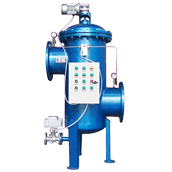
The element fits standard 4040 and 8040 vessel formats, with central tube, end cap and seal dimensions matching mainstream housings, so it seats directly into the existing water filter housing without adapters or modified end plates. Upstream treatment typically includes a coarse pre-filter, a self-cleaning filter or media filtration, a softener for hard source water, and security cartridges that trap silt, colloids and residual particles before feed reaches the RO membrane. Membrane grade, spacer geometry and seal material are chosen for high-purity water service: the surface resists organic and colloidal fouling, wetted parts minimize leaching into the water, and the element withstands repeated plant CIP chemistries. Each element is tested for flow, rejection and pressure drop before packing, so replacement performance can be compared against the installed baseline and recorded in the water system log. Dimensions are standard-compatible, allowing spares to be sourced from multiple qualified channels. This product is an independent compatible replacement; brand names appear only to describe compatibility.
Working Principle

The element is a spiral wound module built from membrane leaves, a feed spacer and a permeate spacer wound around a central collection tube. Source water enters the pressure vessel and flows along the feed channel between leaves. Water molecules pass through the polyamide membrane and collect in the permeate channel, then drain into the central tube and exit as purified permeate. Dissolved salts, hardness minerals, silica and rejected colloids remain in the concentrate stream and leave through the concentrate outlet, which can be discharged, reused or recycled according to the plant design.
In battery manufacturing, the RO stage usually does not deliver final ultra-pure water on its own. It produces a low-TDS, low-hardness base that downstream EDI, UV, UF or polishing stages further treat for residual ions, bacteria and particles before use point. The membrane's role is to hold back dissolved minerals consistently, so the water entering the polishing loop has a stable salt and hardness level regardless of seasonal source water variation. Unstable water quality can increase particle and ion load in washing and preparation stages, which complicates cleanroom control and cell quality consistency.
The feed spacer keeps the channel open and distributes flow evenly across the leaf, while the permeate spacer carries purified water toward the central tube without channeling. End seals and the central tube are matched to the vessel to prevent feed-to-permeate bypass, which would raise permeate conductivity and leave salts in the high-purity water. Performance is tracked by permeate flow, conductivity or TDS, rejection, recovery and differential pressure against the commissioning baseline. As the element ages, rejection drifts and flow drops; CIP restores part of the performance, and the element is replaced when process water quality can no longer be brought back to the plant target.
Typical Specifications
| Item | Typical Range |
|---|---|
| Element format | 4040 / 8040 spiral wound, standard dimensions |
| Battery duties | Cell washing, component rinsing, electrolyte preparation water |
| Rated permeate flow | 4040: 0.8–1.2 m³/h; 8040: 8–12 m³/h |
| Salt rejection | 98.5 to 99.5 percent, depending on grade and feed TDS |
| Water role | Low-TDS base for downstream high-purity polishing |
| Maximum feed temperature | 45 degrees Celsius |
| Feed pH for operation | 4 to 10 |
| CIP cleaning pH range | 2 to 11, plant alkaline and acid cycles |
| Free chlorine limit | Below 0.1 ppm, protected by pre-treatment |
| Seal and wetted parts | Low-extractable, cleanable materials |
| End connection | Standard central tube and seal |
Core Advantages
Stable high rejection:
consistent salt and hardness rejection keeps the RO outlet steady as source TDS and seasonality vary.
Low-extractable construction:
seals and wetted parts minimize leaching into water used near battery cell and electrolyte processes.
High-purity train compatible:
produces a clean low-TDS base that pairs with EDI, UV, UF or mixed bed final polishing.
Standard drop-in fit:
central tube, end cap and seal match mainstream 4040 and 8040 housings, replacement without modification.
Fouling-resistant and CIP recoverable:
membrane and spacer grade resist organic and colloidal buildup between cleaning cycles.
Tested per batch:
flow, rejection and pressure drop verified before packing, matching the system baseline.
Application Scenarios

Lithium-ion battery cell and component washing water
Electrode, separator and hardware rinsing water
Electrolyte preparation and dissolution support water
Energy storage battery module production water
Battery material and active ingredient processing water
Cleanroom purified water pre-treatment in battery plants
Replacement of aged elements in high-purity water RO arrays
Lab and R&D battery material test water systems
Competitive Position and Replacement Notes
Battery manufacturers usually meet three practical issues. First, original-brand elements carry a high unit price, and a plant with multiple vessels builds a large spare budget over the production year. Second, some generic elements copy the dimensions but use standard-grade membrane or seals that leach extractables or foul quickly on colloidal carryover, so high-purity water drifts between cleanings even when short-term conductivity looks acceptable. Third, spares are often tied to one brand channel, and a cleanroom line waiting on elements risks interrupting production or triggering a water quality review.
Our element is selected against the high-purity battery water duty rather than a generic industrial grade. Rejection level, seal material, spacer construction and extractable control are matched to washing and preparation service, and the standard vessel format means no adapters are needed. Each batch is tested before packing, and seals and end parts are available as consumables. We review the pre-treatment and downstream polishing alongside the element, because battery water quality depends on the full train: RO cannot compensate for upstream silt, chlorine or organic breakthrough, and downstream EDI, UV or UF must be maintained to protect the final high-purity water.
This element is supplied as an independent compatible replacement and is not affiliated with any membrane equipment or battery machinery brand. Brand references appear only to describe compatibility.
Selection Guide
Confirm element format and vessel:
4040 or 8040, central tube size, seal type and elements per vessel.
Define the water target:
permeate TDS, conductivity, particle and extractable limits for washing and electrolyte support.
Provide the source water analysis:
TDS, hardness, silica, chlorine, iron, colloids and organic level.
Map the downstream train:
whether permeate feeds EDI, UV, UF, mixed bed or another polishing stage, and the required RO outlet quality.
Select membrane grade:
consistent rejection for low-TDS base; fouling-resistant spacer where feed carries organic or colloidal load.
Verify material requirements:
seal and wetted part extractable limits for the battery plant cleanroom standard.
Check pump pressure, recovery ratio and temperature, so the element grade matches the skid design and operating window.
Installation and Maintenance Notes
Flush the new element with clean purified water before start-up, and follow the break-in schedule, raising operating pressure gradually over the first run period. Lubricate seals with a compatible low-extractable lubricant where required, seat the element squarely in the vessel and align the connector to prevent bypass that would raise permeate conductivity.
Record permeate flow, conductivity or TDS, rejection and differential pressure on the first day as the baseline. Monitor pre-treatment and downstream polishing performance, because any upstream breakthrough reaches the RO stage first. Run CIP on the plant schedule or when normalized flow, rejection or pressure drop passes the set limit, using cleaners approved for the membrane grade. Never run the element with free chlorine above the limit, since oxidation damage to the polyamide membrane is irreversible.
During long shutdowns, preserve elements in an approved biocide solution suitable for high-purity water service. Replace elements when process water quality cannot be restored by cleaning, and record installation date, vessel position and feed source so the worst-performing vessel can be traced.
FAQ
Q1: Does the RO element produce final battery-grade water directly?
A1: It produces a low-TDS base. Most battery plants add downstream polishing such as EDI, UV, UF or mixed bed to control residual ions, particles and bacteria before washing or electrolyte use point; the RO stage is the core salt and hardness removal step.
Q2: What water quality matters most for cell washing and electrolyte preparation?
A2: Low and stable TDS and hardness, controlled particles and low extractables are key, because residual ions and impurities can affect cell consistency and electrolyte performance. The exact limit follows the plant's internal water specification and cleanroom standard.
Q3: What pre-treatment protects a battery RO element?
A3: Sediment and colloidal removal, chlorine removal, softening where hardness is high, and security cartridges protect the membrane. Upstream stages must be maintained, because silt, chlorine and organic breakthrough cause fouling or oxidation that cleaning cannot reverse.
Q4: Can the same RO array supply both washing water and electrolyte preparation water?
A4: Many plants run one RO train feeding both points, with storage and downstream polishing between them. Electrolyte preparation usually requires the fuller polishing chain, while general washing may use a less refined permeate; the array size should match combined flow and quality requirements.
Q5: How long does the element last in battery high-purity service?
A5: With protected feed and regular CIP, typical service life is 2 to 3 years. Permeate conductivity, flow and differential pressure trends confirm when the spare element should be swapped in.
Related Products
BW30FR-400/34 Water Treatment RO Reverse Osmosis Membrane
40-inch RO membrane water purifier membrane
High Efficiency Reverse Osmosis Membrane for Water Treatment
Commercial Reverse Osmosis Membrane for Pure Water System
High Salt Rejection RO Membrane for Brackish Water Treatment
Please fill in your procurement needs and contact information