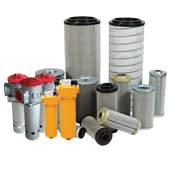


Spare RO Membrane Cartridge for Lab and Pilot Scale Water Treatment Unit
Introduction:Laboratory benches, R&D pilot skids and small batch water treatment trials depend on a compact RO membrane cartridge that can be swapped quickly without stopping a validation run or a small production line. A spare cartridge keeps the unit ready when the active element ages, fouls or fails a quality check, and it lets engineers test feed variations, recovery ratios and membrane grades on the same water filter housing format. Because lab and pilot systems often run intermittently on mixed feed sources, the cartridge must seal reliably against standard small vessels, reject dissolved salts consistently, and resist early self-cleaning filter breakthrough or silt carryover from the pre-treatment side. This spare RO membrane cartridge is sized for lab and pilot scale units, matching common small element formats so it drops into the existing housing, and it serves as an independent compatible replacement for trial, demonstration and small-scale purification work.
We're here to help:
Easy ways to get the answers you need.
Product parameter:
Product Introduction
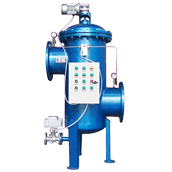
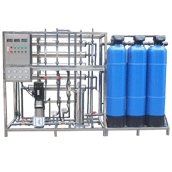
This RO membrane cartridge is developed for the replaceable element inside lab RO units, bench-top purification machines and pilot scale water treatment skids that produce process water for R&D, material testing, formulation work, small batch manufacturing and equipment demonstration. These units use small spiral wound elements rather than full-size industrial 8040 modules, and the spare cartridge is made to match the common 1812, 2012, 2540, 4021 and 4040 small vessel formats, including central tube, end cap and seal dimensions, so it seats directly into the existing water filter housing without adapters, modified end plates or custom connectors. The cartridge sits inside the small pressure vessel as the main separation stage of a compact train whose front end typically includes a coarse pre-filter, a self-cleaning filter or media pre-treatment, a security cartridge and an optional softener that remove sediment, colloids and residual particles before feed water reaches the RO membrane.
Membrane grade and seal material are chosen for the low-flow, intermittent-duty profile of lab and pilot equipment: steady salt rejection, cleanable surface and minimal leaching into the permeate. Each cartridge is tested for permeate flow, rejection and pressure drop before packing, so the spare can be compared against the installed element when performance is reviewed. Standard-compatible dimensions mean spares can be sourced from multiple qualified channels instead of being locked to one brand channel, which matters for pilot projects that may run for months and need backup elements on short notice. This product is an independent compatible replacement; any brand names mentioned appear only to describe fit and compatibility.
Working Principle

The cartridge is a spiral wound module built from membrane leaves, a feed spacer and a permeate spacer wound around a central collection tube. Feed water enters the small vessel and flows along the feed channel between the membrane leaves. Water molecules pass through the polyamide membrane, collect in the permeate channel and drain into the central tube, then exit as purified permeate. Dissolved salts, hardness minerals, colloids and rejected particles remain in the concentrate stream and leave through the concentrate outlet, which can be discharged, reused or sent to a second stage according to the pilot system design.
In a lab or pilot unit the cartridge does not handle the continuous high volume of a full plant, but it faces its own operating conditions: feed source may change between tap water, well water, softened water and trial samples; the unit may start and stop frequently; and operators often adjust pressure, recovery and flow to run comparisons. The membrane's job is to hold back dissolved ions consistently across these changes so the resulting permeate conductivity and TDS stay within the target range for the experiment or small batch. The feed spacer keeps the channel open and helps distribute flow evenly across the leaf, while the permeate spacer carries purified water toward the central tube without channeling.
Sealing is especially important on small elements, because a small feed-to-permeate bypass has a larger relative effect on permeate quality in a low-flow housing. The end cap seals and central tube are matched to the small vessel so bypass is minimized, and the connector alignment is checked during installation to prevent a leak that would raise permeate conductivity even when flow looks normal. Performance is tracked by permeate flow, conductivity or TDS, rejection and differential pressure against the commissioning baseline for that cartridge. As the element ages, rejection drifts and flow drops; cleaning restores part of the performance, and the spare cartridge is installed when quality cannot be brought back to target.
Typical Specifications
| Item | Typical Range |
|---|---|
| Element format | 1812 / 2012 / 2540 / 4021 / 4040 small spiral wound, standard dimensions |
| Application | Lab RO units, bench-top purifiers, pilot skids, small trial systems |
| Rated permeate flow | Small formats 0.1–0.6 m³/h; 4040 up to about 1.2 m³/h |
| Salt rejection | 98.5 to 99.5 percent, depending on grade and feed TDS |
| Maximum feed temperature | 45 degrees Celsius |
| Feed pH for operation | 4 to 10 |
| Cleaning pH range | 2 to 11 |
| Rejection characteristic | Consistent brackish water rejection for trial and small-scale duty |
| Free chlorine limit | Below 0.1 ppm, protect by pre-treatment |
| Seal and end connection | Standard central tube and seal matching mainstream small vessels |
| Duty profile | Intermittent and continuous small-flow operation |
Core Advantages
Drop-in spare fit:
central tube, end cap and seal match common small element formats, replacement without housing modification or adapters.
Small-scale flow matched:
rated for the low output of bench units and pilot skids, rather than oversized for a small vessel.
Consistent rejection:
membrane grade holds salts and hardness within the target permeate range as feed source and operating pressure vary.
Quick change design:
end seal and connector alignment are straightforward, so swaps can be done between runs without long downtime.
Multi-supplier compatible:
standard dimensions let spares be held as generic backup stock, reducing dependence on a single brand channel.
Tested per batch:
flow, rejection and pressure drop verified before packing, so each spare matches the system baseline on arrival.
Application Scenarios

Laboratory and R&D bench-top RO purification units
Pilot scale water treatment skids for process validation
Small batch formulation, testing and demonstration equipment
Food, beverage and cosmetic trial-scale pure water systems
Pharmaceutical and analysis lab purified water setups
Electronics and battery material small-scale trial loops
Water treatment equipment demonstration and rental units
Backup spare stock for aging elements in small existing RO systems
Competitive Position and Replacement Notes
Lab and pilot operators usually run into three practical problems. First, original-brand spare cartridges carry a high unit price, and a research group or small integrator stocking several backup elements over a project cycle builds up a noticeable consumables budget. Second, some generic cartridges copy the housing dimensions but use lighter membrane grade or lower-quality seals, so rejection drops quickly under changing feed TDS, and permeate quality looks acceptable for a short run but fails a longer validation. Third, spare availability can be tied to one distributor, and a pilot trial waiting on a cartridge may miss a test window or delay a small production batch.
Our spare cartridge is selected against the lab and pilot duty target rather than a generic heavy-industry grade. Rejection level, seal material and spacer construction are matched to small-flow intermittent service, and the standard small vessel format means no custom parts are needed. Each batch is tested before packing, and seals and end parts are available as consumables alongside the cartridge. We review the pre-treatment and feed condition together with the element selection, because pilot systems often switch feed sources: a spare membrane cannot compensate for upstream silt, chlorine, hardness overload or organic breakthrough, and those issues should be handled by the pre-filter, softener and security cartridge first.
This cartridge is supplied as an independent compatible replacement and is not affiliated with any membrane equipment or lab apparatus brand. Brand references appear only to describe compatibility.
Selection Guide
Confirm element format and vessel:
1812, 2012, 2540, 4021 or 4040, central tube size, seal type and the number of elements per vessel.
Define the water target:
permeate conductivity, TDS, hardness and any particle or organic limit for the specific experiment or small process.
Provide the feed analysis:
TDS, hardness, silica, chlorine, silt density and organic level of the lab or pilot feed source.
Select rejection grade:
standard brackish rejection for general lab use; higher rejection where the trial target demands lower permeate conductivity.
Check pump pressure, recovery ratio and flow design, so the cartridge grade matches the small unit's operating window.
Verify seal and material suitability for intermittent duty and any water contact restriction in the lab standard.
Plan spare stock by vessel position and expected replacement cycle, since pilot and lab units often keep one or two backup cartridges on site.
Installation and Maintenance Notes
Flush the new spare cartridge with purified water before start-up, and follow the break-in schedule, raising operating pressure gradually over the first run period. Lubricate seals with a compatible lubricant, seat the element squarely in the vessel and align the connector to prevent feed-to-permeate bypass that would raise permeate conductivity. Record permeate flow, conductivity or TDS, rejection and differential pressure on the first day as the baseline for that spare.
Monitor pre-treatment condition, because lab and pilot feed sources can change between runs. Run CIP when normalized flow or rejection drops beyond the set limit, using cleaners approved for the membrane grade. Never run the cartridge with free chlorine above the limit, since oxidation damage to the polyamide membrane is irreversible. During long shutdowns, preserve stored spare elements in an approved biocide solution or sealed packaging according to the supplier's instructions. Replace the cartridge when permeate quality cannot be restored by cleaning, and record installation date, vessel position and feed source so performance history can be traced.
FAQ
Q1: What is the difference between a spare RO membrane cartridge and a full-size industrial RO element?
A1: The cartridge is built in small formats such as 1812, 2012, 2540, 4021 or 4040 for low-flow lab and pilot housings, while industrial 8040 elements serve high-capacity plant vessels. Flow rating, dimensions and seal details are matched to the respective vessel format, so the format must be confirmed before ordering.
Q2: Can one spare cartridge cover several different lab RO models?
A2: Only when the element format, central tube, end cap and seal match. Small housings from different makers can use the same standard dimensions in many cases, but the vessel drawing or original element code should be checked to confirm fit before installation.
Q3: What feed quality does the spare cartridge require?
A3: It relies on pre-treatment such as a pre-filter, security cartridge, softener or chlorine removal to deliver protected feed. Silt, free chlorine, high hardness or organic breakthrough can foul or oxidize the membrane faster, regardless of the membrane grade selected.
Q4: How is a spare cartridge tested before it goes into service?
A4: It can be bench-checked for flow, rejection and pressure drop against the commissioning baseline. After installation, permeate conductivity or TDS and flow are compared with the system baseline before the trial or small batch is resumed.
Q5: How long does the cartridge last in a lab or pilot unit?
A5: With protected feed and regular cleaning, typical service life is 1 to 3 years depending on feed TDS, operating hours and whether the unit runs intermittently. Flow, conductivity and differential pressure trends confirm when the spare should be swapped in.
Related Products
BW30FR-400/34 Water Treatment RO Reverse Osmosis Membrane
40-inch RO membrane water purifier membrane
High Efficiency Reverse Osmosis Membrane for Water Treatment
Commercial Reverse Osmosis Membrane for Pure Water System
High Salt Rejection RO Membrane for Brackish Water Treatment
Please fill in your procurement needs and contact information