

High Flux Replacement RO Membrane for Bottled Water Production Line
Introduction:Bottled water production lines run continuously, and membrane flux, rejection stability and low downtime directly affect output, bottle cost and product taste. Standard elements matched to the original equipment may lose flow after a short service cycle, and replacement membranes from a single brand channel often arrive slowly and carry a high unit price. This high flux replacement RO membrane is developed for bottled and barreled water lines, delivering rated permeate flow at stable rejection in standard pressure vessels. It works as a drop-in replacement element that keeps the filling line running, reduces membrane stock cost and supports consistent water quality for bottled water producers.
We're here to help:
Easy ways to get the answers you need.
Product parameter:
Product Introduction
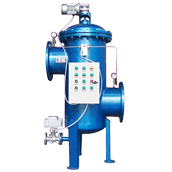
This high flux replacement RO membrane element is designed for bottled and barreled water production lines, replacing aged or fouled elements in the standard pressure vessels of commercial and industrial RO skids. It fits the mainstream 4040 and 8040 vessel formats, matching central tube, end cap and seal dimensions so it seats directly into the existing water filter housing without adapters or vessel modification. The element sits at the final separation stage of a treatment train whose front end typically includes a coarse self-cleaning filter, media pre-treatment and security cartridges, which remove silt, colloids and other solids before feed water reaches the membrane. The membrane is formulated for high permeate flux while holding a high rejection level, so the array reaches target output with fewer elements or lower operating pressure than a standard low-flux element. Materials and seals follow food-grade application requirements for drinking water contact, and the element is tested for flow, rejection and pressure drop before packing. Dimensions are standard-compatible, so future replacement elements can be sourced from multiple qualified channels. This product is an independent compatible replacement; brand names appear only to describe compatibility.
Working Principle

The element is a spiral wound module built from membrane leaves, feed spacer and permeate spacer wound around a central collection tube. Feed water pressurized by the high pressure pump enters the pressure vessel and flows along the feed channel between leaves. Water molecules pass through the polyamide membrane and collect in the permeate channel, then drain into the central tube and exit as permeate. Dissolved salts, hardness, silica and rejected colloids stay in the concentrate stream and leave through the concentrate outlet.
High flux means the element delivers more permeate per membrane area at the design pressure. The membrane chemistry and leaf geometry are tuned to allow water to pass readily while still rejecting dissolved salts, so the bottled water line meets its conductivity target without overloading the pump. The feed spacer keeps the channel open, preserving cross-flow and carrying rejected solids downstream rather than letting them settle on the film.
In a bottled water line, permeate is the end product rather than an intermediate fluid, so rejection stability matters beyond conductivity: the membrane must hold taste-affecting salts, trace minerals and organic matter within the product specification, and must not shed membrane fines into the permeate. The permeate spacer and central tube are sealed to prevent feed-to-permeate bypass, which would otherwise raise conductivity and spoil batch consistency.
After a service cycle, normalized flow and rejection decline and differential pressure rises. CIP with the appropriate cleaners restores part of the performance, and the element is replaced when flow and rejection cannot be brought back to target. Keeping a rolling spare stock avoids waiting on membrane delivery while the filling line stands idle.
Typical Specifications
| Item | Typical Range |
|---|---|
| Element format | 4040 / 8040 spiral wound, standard dimensions |
| Application | Bottled and barreled drinking water RO lines |
| Rated permeate flow | 4040: 1.0–1.4 m³/h; 8040: 10–14 m³/h |
| Salt rejection | 99.2 to 99.7 percent, high rejection grade |
| Maximum feed temperature | 45 degrees Celsius |
| Feed pH for operation | 4 to 10 |
| Cleaning pH range | 2 to 11 |
| Flux characteristic | High permeate flow at design pressure |
| Free chlorine limit | Below 0.1 ppm, protect by pre-treatment |
| Contact condition | Food-grade seals and materials for drinking water |
| End connection | Standard central tube and seal |
Core Advantages
High permeate flux:
optimized membrane leaf delivers more flow per element, supporting line output without adding vessels or running the pump beyond design pressure.
Stable high rejection:
taste-affecting salts and trace contaminants stay within the bottled water specification, keeping batch conductivity consistent.
Standard drop-in fit:
central tube, end cap and seal match mainstream formats, replacement without housing or piping modification.
Food-grade compatibility:
seals and wetted materials suit drinking water contact, suitable for bottled and barreled production.
Multi-supplier compatible:
standard dimensions allow spare elements from qualified channels, reducing stock dependency on one brand.
Tested per batch:
flow, rejection and pressure drop are verified before packing, so array performance matches the commissioning baseline.
Application Scenarios

Bottled drinking water production lines
Barreled 5-gallon water filling stations
Commercial pure water RO skids
Beverage and mineral water process water preparation
Replacing low-flux elements in existing bottled water RO arrays
Expansion of output without adding new pressure vessels
Water bottling plant spare membrane stock
Drinking water vending and community water supply systems
Competitive Position and Replacement Notes
Bottled water operators usually face three issues. Original elements carry a high unit price, and a plant with several vessels builds a large spare parts budget over the year. Second, some generic replacement elements copy the dimensions but use lower-grade membrane, so flux fades quickly and rejection drifts, pushing permeate conductivity out of the product target. Third, when elements fail between planned shutdowns, delivery from a single supplier can stall the filling line, where idle time carries a direct output loss.
Our replacement element is selected against the line's actual feed water and output target, with flux and rejection grades matched to the bottled water specification. The standard vessel format means no adapters are needed, and seals and end parts are available as consumables. Each batch is tested before packing, and spare elements can be held on site so planned replacement does not wait on delivery. We also review pre-treatment condition, because bottled water quality depends on clean feed entering the membrane; an element alone cannot compensate for unfiltered silt, oil or chlorine damage.
This element is supplied as an independent compatible replacement and is not affiliated with any membrane equipment or bottled water brand. Brand references appear only to describe compatibility.
Selection Guide
Confirm element format and vessel:
4040 or 8040, central tube size, seal type and elements per vessel.
Provide the feed water analysis:
TDS, hardness, silica, iron, chlorine, pH and turbidity, so the rejection grade is selected correctly.
Define the line output and permeate conductivity target, to size the high flux grade and number of elements per vessel.
Check existing pump pressure and array recovery:
high flux elements need adequate feed pressure, and recovery must stay within the water chemistry limit.
Verify food-contact requirements:
seals and wetted materials must match the drinking water standard applicable to the market.
Review pre-treatment:
security cartridge, softener or antiscalant dosing must be in place before the membrane.
Plan spare stock:
count elements per vessel and the replacement cycle, and keep a small rolling spare for the filling line.
Installation and Maintenance Notes
Flush the new element with permeate water before start-up, and follow the break-in pressure schedule, raising operating pressure gradually over the first run period. Lubricate seals with a compatible food-grade lubricant, seat the element squarely in the vessel, and align the inter-element connector to prevent bypass and conductivity rise.
Record permeate flow, rejection, conductivity and differential pressure on the first day as the baseline. Monitor feed chlorine, hardness and silt regularly, and keep security cartridges and pre-treatment in good condition. Run CIP when normalized flow or rejection drops beyond the set limit, using cleaners approved for drinking water contact. Never run the element with free chlorine above the limit, since oxidation damage is irreversible.
During long shutdowns, preserve elements in biocide solution approved for potable water service. Replace elements when rejection and flow cannot be restored by cleaning, and record installation date and vessel position so the worst-performing array can be traced.
FAQ
Q1: Is this membrane suitable for drinking water contact?
A1: Yes. Seals and wetted materials follow food-grade requirements for drinking water service, suitable for bottled and barreled water production. Confirm the market-specific drinking water standard when placing the order.
Q2: What does high flux mean for a bottled water line?
A2: The element produces more permeate per membrane area at design pressure, which helps the line reach target output. In practice this may mean fewer elements per vessel or lower pump load, provided the feed pressure and pre-treatment are adequate.
Q3: Can I replace original elements with this membrane one vessel at a time?
A3: Elements in one vessel should ideally share the same grade and performance level to avoid uneven loading. If the array mixes types, arrange them by flow and rejection and review pressure balance; full-vessel replacement is the cleaner approach.
Q4: How long does the element last in a bottled water line?
A4: With correct pre-treatment and regular CIP, typical service life is 2 to 3 years. Flow, rejection and differential pressure trends determine the actual timing; bottled water lines often replace on a fixed cycle to protect product consistency.
Q5: Does high flux compromise salt rejection?
A5: No in the selected grade. The membrane is tuned to maintain high rejection alongside the higher flow level. Permeate conductivity should still be monitored daily, and rejection checked against the commissioning baseline.
Related Products
BW30FR-400/34 Water Treatment RO Reverse Osmosis Membrane
40-inch RO membrane water purifier membrane
High Efficiency Reverse Osmosis Membrane for Water Treatment
Commercial Reverse Osmosis Membrane for Pure Water System
High Salt Rejection RO Membrane for Brackish Water Treatment
Please fill in your procurement needs and contact information