

Anti-fouling RO Membrane Element for High Hardness Well Water Treatment
Introduction:Well water in many inland regions carries high hardness, silica, iron and occasional sulfate alkalinity. When this water enters a standard RO array, calcium carbonate, calcium sulfate and silicate scale form quickly on the membrane surface, and colloidal and organic fouling reduces permeate flow within a short service period. Ordinary membranes respond by rising pressure drop and falling rejection that cleaning cannot fully recover. This anti-fouling RO membrane element is engineered for high hardness well water conditions, with a modified surface and anti-scaling feed channel design that resists scale adhesion and foulant deposition. It serves as a compatible replacement element in standard pressure vessels, helping well water RO users extend membrane service life, lower cleaning frequency and stabilize permeate quality.
We're here to help:
Easy ways to get the answers you need.
Product parameter:
Product Introduction
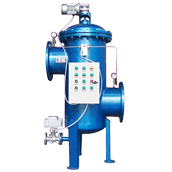
This anti-fouling RO membrane element is developed for RO arrays treating high hardness well water, where conventional membranes scale and foul faster than their rated service cycle. It fits the standard pressure vessel format used in 4040 and 8040 industrial arrays, matching the central tube, end cap and seal dimensions so it seats directly into the existing water filter housing without adapters or vessel modification. Although the element itself is the separation stage, its long service life depends on the upstream train: a coarse self-cleaning filter, media and softener pre-treatment and security cartridges remove silt, iron and bulk hardness before feed water reaches the membrane. The membrane uses a modified polyamide composite surface with smoother anti-fouling chemistry and a wider feed spacer geometry, which reduces the adhesion of calcium scale, metal hydroxide colloids and organic matter, and keeps the feed channel open under sustained operation. Element grades cover brackish high hardness well water, agricultural irrigation desalination, factory process water and light pure water polishing. The standard dimensions allow replacement elements to be sourced from multiple qualified channels, and the element is tested for rejection, flow and pressure drop before packing. This product is an independent compatible replacement, not an original equipment brand product; brand names appear only to describe compatibility.
Working Principle

The element is a spiral wound module built from membrane leaves, feed spacer and permeate spacer wound around a central collection tube. Pressurized feed water enters from one end of the pressure vessel and flows along the feed channel between membrane leaves. Water molecules pass through the polyamide membrane layer and collect in the permeate channel, then drain into the central tube and exit as permeate. Dissolved salts, hardness residual, silica and rejected colloids remain in the concentrate stream and are carried to the concentrate outlet.
On a standard membrane, high hardness feed water causes divalent calcium and magnesium ions to concentrate near the membrane surface. As concentrate scales up, calcium carbonate and calcium sulfate precipitate and adhere to the membrane, while iron hydroxide and organic colloids stick to the surface and narrow the feed spacer. The anti-fouling design addresses these two failure modes in different ways. The modified membrane surface carries less adhesion energy, so scale crystals and colloidal particles do not bond as strongly to the film. The wider feed spacer keeps an open channel even under moderate fouling, which preserves cross-flow velocity and prevents particles from settling in the spacer grooves.
During operation, rejected salts and foulants are swept along by cross-flow rather than deposited flat on the membrane. When fouling does accumulate over time, the smoother surface also releases scale and organic deposits more readily during CIP cleaning, so acid and alkaline wash cycles recover flow and rejection more effectively than on a standard element.
Performance is tracked through three indicators: normalized permeate flow, salt rejection and differential pressure across the vessel. A fouled element shows declining flow, falling rejection and rising pressure drop. Cleaning restores part of the performance, and the element is replaced when rejection and flow cannot be brought back to target.
Typical Specifications
| Item | Typical Range |
|---|---|
| Element format | 4040 / 8040 spiral wound, standard dimensions |
| Feed water type | High hardness brackish well water, process water |
| Rated permeate flow | 4040: 0.8–1.2 m³/h; 8040: 8–12 m³/h |
| Salt rejection | 99.0 to 99.6 percent, steady rejection |
| Maximum feed temperature | 45 degrees Celsius |
| Feed pH for operation | 4 to 10 |
| Cleaning pH range | 2 to 11 |
| Hardness tolerance | Anti-fouling surface for elevated Ca/Mg and silica feed |
| Free chlorine limit | Below 0.1 ppm, protect by pre-treatment |
| Feed spacer | Anti-clogging wider geometry option |
| End connection | Standard central tube and seal |
Core Advantages
Anti-scale surface for hard well water:
modified membrane chemistry reduces calcium and magnesium crystal adhesion, slowing scale buildup on the film.
Open anti-clogging feed channel:
wider spacer geometry resists compaction by iron colloids and organic matter, keeping pressure drop stable.
Cleaner-friendly surface:
scale and organic deposits release more easily during CIP, so cleaning recovers more of the original flow and rejection.
Standard vessel fit:
central tube, end cap and seal match mainstream formats, drop-in replacement without housing modification.
Stable permeate quality:
consistent rejection keeps treated water conductivity within target despite seasonal well water variation.
Graded selection:
element grades cover irrigation desalination, process water and pure water polishing, matched to the actual water analysis.
Application Scenarios
High hardness inland well water desalination RO plants
Agricultural irrigation and livestock water from brackish wells
Factory process water and boiler make-up water treatment
Food and beverage process water from hard well sources
Pure water production with elevated silica and iron in feed
Replacing scaling-prone elements in existing well water RO arrays
Water reuse systems with moderate salinity and hardness
Small commercial RO skids fed by hard groundwater
Competitive Position and Replacement Notes
Owners of well water RO systems usually meet three recurring problems. Standard membranes selected for municipal water scale quickly on high hardness feed: calcium carbonate deposits cover the surface, flow drops, and cleaning cycles become frequent. Second, some low-cost generic elements copy the standard dimensions but use ordinary membrane chemistry and narrow spacers, so iron colloids and organic matter clog the feed channel early and pressure rise accelerates. Third, when elements fail before the rated cycle, the site often cannot source replacements quickly, and production waits on a single brand channel.
Our anti-fouling element is specified against the actual well analysis rather than a generic template. Membrane grade and spacer type are selected from measured hardness, silica, iron and alkalinity, so the anti-scale surface matches the real fouling load. The element dimensions follow the standard vessel format, and replacement seals and end parts are available as consumables. Rejection, flow and pressure drop are tested on each batch before packing. For sites where upstream pre-treatment is weak, we advise the correct pre-treatment configuration alongside the element, because anti-fouling chemistry cannot compensate for unfiltered silt, oil or free chlorine.
This element is supplied as an independent compatible replacement and is not affiliated with any membrane equipment or chemical brand. Brand references appear only to describe compatibility.
Selection Guide
Confirm element format and vessel:
4040 or 8040, central tube size, seal type and number of elements per vessel.
Provide the full well analysis:
hardness, calcium, magnesium, silica, iron, manganese, alkalinity, chloride, sulfate, TDS and pH, repeated across seasons if possible.
Define the target permeate quality:
conductivity, rejection requirement and end use, to choose the correct rejection grade.
Assess fouling type:
hardness scale calls for the anti-scale surface; iron colloids and organic matter call for the anti-clogging spacer; mixed fouling may need both.
Verify upstream pre-treatment:
softener or antiscalant dosing must control hardness before the membrane, and free chlorine must be removed.
Check pump pressure and array recovery:
high recovery increases concentrate scaling risk, so the array design should match the water chemistry.
Record the CIP history of the existing membranes, so recurring fouling causes can be identified before selecting the replacement element.
Installation and Maintenance Notes
Flush the new element with permeate water before start-up, and follow the break-in pressure schedule: raise operating pressure gradually over the first run period. Lubricate seals with a compatible water-based lubricant, seat the element squarely in the vessel, and align the inter-element connector to avoid bypass and pressure loss.
Record permeate flow, rejection, conductivity and differential pressure on the first day as the baseline. Monitor hardness, silica and iron in the feed, and check antiscalant dosing and softener regeneration cycles regularly. Run CIP when normalized flow or rejection drops beyond the set limit: acid cleaning targets hardness and silica scale, alkaline cleaning targets organic and biological fouling. Never run the element with free chlorine above the limit, since oxidation damage is irreversible.
During long shutdowns, preserve elements in biocide solution to prevent microbial growth. Replace elements when rejection and flow cannot be restored by cleaning, and keep a record of installation date and vessel position so the worst-performing array can be traced.
FAQ
Q1: What is the main difference between this anti-fouling element and a standard RO membrane?
A1: The anti-fouling version uses a modified surface that resists scale and colloid adhesion, plus an optional wider feed spacer that stays open under fouling. A standard membrane works well on stable low-fouling feed, but scales and clogs faster on high hardness well water.
Q2: Does the anti-fouling element replace the need for a softener or antiscalant?
A2: No. The membrane resists fouling, but pre-treatment still controls bulk hardness, iron and free chlorine. Anti-scale membrane chemistry complements the softener or dosing system; it does not remove the requirement for pre-treatment.
Q3: How do I know whether my fouling is scale or organic/colloid?
A3: Acid cleaning recovers flow quickly when scale is the main cause; alkaline cleaning works better for organic and biological fouling. Feed analysis, CIP results and membrane autopsy of a failed element help identify the recurring cause.
Q4: Can this element be mixed with standard elements in the same vessel?
A4: Elements in one vessel should share the same grade and performance level to avoid uneven loading. If the array mixes element types, arrange them according to flow and rejection characteristics and review the pressure balance.
Q5: How long does the element last on high hardness well water?
A5: With correct pre-treatment and regular CIP, typical service life is 2 to 3 years. Weak pre-treatment, inconsistent antiscalant dosing or high iron content shortens the cycle; flow, rejection and differential pressure trends determine the actual replacement timing.
Related Products
BW30FR-400/34 Water Treatment RO Reverse Osmosis Membrane
40-inch RO membrane water purifier membrane
High Efficiency Reverse Osmosis Membrane for Water Treatment
Commercial Reverse Osmosis Membrane for Pure Water System
High Salt Rejection RO Membrane for Brackish Water Treatment
Please fill in your procurement needs and contact information