

Low Energy 4040 RO Membrane Element Replace Dow Industrial Reverse Osmosis
Introduction:Reverse osmosis membranes are the core separation component in every industrial RO system, and membrane performance directly determines permeate flow, salt rejection and operating energy cost. Original Dow industrial membrane elements carry a high purchase price and rely on a single spare part channel, which leaves small and medium water treatment users waiting for replacement when elements age. This low energy 4040 RO membrane element is engineered as a compatible replacement for Dow-style industrial reverse osmosis arrays, matching standard 4040 dimensions, flow performance and rejection level at a more accessible cost. It fits existing pressure vessels in brackish water treatment, factory process water and pure water production, giving plant owners a serviceable spare option without rebuilding the RO train.
We're here to help:
Easy ways to get the answers you need.
Product parameter:
Product Introduction
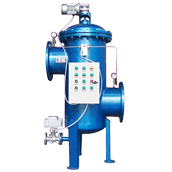
This low energy 4040 RO membrane element is designed as a drop-in replacement for Dow-style industrial reverse osmosis elements in standard 4040 pressure vessels. The element uses a polyamide composite thin-film membrane wound on a standard central tube, with fiberglass external wrapping and end cap dimensions that match the mainstream 4040 format, so it seats directly in the existing pressure vessel without modifying the water filter housing, vessel end plates or piping. Although the membrane itself is a separation element, it works inside a complete train whose front end typically includes a coarse self-cleaning filter, media pre-treatment and security cartridges; keeping those upstream stages properly maintained is what protects the membrane surface from silt, oil and organic fouling. The element is optimized for low operating pressure: it reaches rated permeate flow at a lower feed pressure than standard elements, which reduces booster pump energy consumption in long-running industrial systems. Available performance grades cover brackish water desalination, factory process water, bottled water and light pure water polishing. It follows standard element dimensions and connection patterns, so future replacement can be sourced from multiple qualified suppliers rather than one brand channel. This product is an independent compatible replacement, not an original Dow product, and brand names appear only to describe compatibility.
Working Principle

The 4040 element is a spiral wound module. Feed water enters the membrane envelope from one end, and the polyamide membrane separates the stream under pressure applied by the high pressure pump. Water molecules pass through the semi-permeable membrane layer and flow along the permeate channel into the central collection tube, while dissolved salts, hardness residual, silica, organic molecules and suspended matter rejected by the membrane stay in the concentrate channel and are carried to the concentrate outlet.
The spiral wound construction packs a large membrane area into the 4040 cylindrical format. The membrane leaf, feed spacer and permeate spacer are wound together around the central tube, and the feed spacer keeps a flow channel open so cross-flow washes rejected salts away from the membrane surface and reduces concentration polarization. Permeate collected in the central tube exits through the element end and flows into the treated water manifold of the pressure vessel.
A low energy membrane is produced with a modified membrane surface and optimized spacer geometry that maintains the required salt rejection while achieving rated flux at lower applied pressure. Because the feed pump works against less resistance, the motor load and electricity consumption drop, especially on systems that run many hours per day. Salt rejection, permeate flow and pressure drop are the three performance indicators monitored after installation, and they are compared against the commissioning baseline over the service cycle.
When the membrane ages or fouls, normalized flow declines and differential pressure rises. Periodic CIP with acid and alkaline cleaning removes scale and organic matter, restoring part of the performance, and the element is replaced when rejection and flow can no longer be recovered.
Typical Specifications
| Item | Typical Range |
|---|---|
| Element format | 4040 spiral wound, standard dimensions |
| Feed water type | Brackish water, factory process water, light pure water |
| Rated permeate flow | 0.8 to 1.2 m³/h per element |
| Salt rejection | 99.0 to 99.6 percent, steady rejection |
| Minimum rejection | 98.0 percent after break-in |
| Operating pressure | 6 to 12 bar, low energy version |
| Feed TDS | Up to 2000 mg/L standard, higher with grade selection |
| Maximum feed temperature | 45 degrees Celsius |
| Feed pH range | 2 to 11 for cleaning, 4 to 10 for operation |
| Chlorine tolerance | Free chlorine below 0.1 ppm, protect by pre-treatment |
| End connection | Standard 4040 central tube and seal |
Core Advantages
Standard 4040 drop-in fit:
central tube, end cap and seal match the mainstream format, fitting existing pressure vessels without adapters or housing modification.
Low pressure operation:
optimized membrane surface delivers rated flow at lower feed pressure, cutting pump energy use on long-running water treatment lines.
Stable salt rejection:
consistent rejection performance keeps permeate conductivity within the process target as feed water varies seasonally.
Multi-supplier compatible:
standard dimensions allow replacement elements from qualified channels, avoiding single-brand spare part dependency.
Cost-effective alternative:
purchase price is substantially below original branded elements, which matters when a plant runs multiple vessels and replaces elements on a rolling schedule.
Graded selection:
different element grades cover brackish water, process water and pure water polishing, so buyers match the element to their actual water analysis.
Application Scenarios

Industrial brackish water desalination RO plants
Factory process water and boiler make-up water systems
Bottled and barreled water production lines
Food and beverage process water purification
Commercial pure water equipment and small RO skids
Laboratory and pilot scale water treatment units
Replacing aged elements in existing 4040 pressure vessels
Water reuse and recycling systems with moderate salinity
Competitive Position and Replacement Notes
Buyers looking for replacement membrane elements usually meet three issues. Original branded elements carry a high unit price, and a plant with many vessels faces a large spare parts budget every replacement cycle. Second, some generic elements copy the 4040 outer size but use lower-grade membrane material, so rejection drops quickly and flux fades within a short service period. Third, replacement elements must match the pressure vessel and flow arrangement, and an ill-fitting seal or central tube causes bypass and pressure loss.
Our element is built to the standard 4040 dimension set, with end cap, central tube and seal matched to the common vessel design. Membrane grade is selected against the feed water analysis, so rejection and flux targets are stated per application rather than as a single nameplate figure. The low energy surface is specified for systems where pump running hours are high, where energy savings matter alongside replacement cost. Elements are tested for rejection, flow and pressure drop before packing, and replacement seals and end parts are available as consumables.
This element is supplied as an independent compatible replacement and is not affiliated with Dow or any other membrane brand. Brand references are used only to describe compatibility.
Selection Guide
Confirm the element format:
4040 length and diameter, central tube size and seal type, matched to the existing pressure vessel.
Provide the feed water analysis:
TDS, hardness, silica, iron, chlorine, pH and temperature, so the correct rejection grade can be selected.
Define the permeate target:
conductivity, flux and recovery, because pure water polishing and brackish desalination use different element grades.
Check operating pressure and pump head:
a low energy element suits lower-pressure systems; high salinity feed may require a standard or high rejection grade.
Verify pre-treatment condition:
free chlorine, silt and oil must be controlled upstream, because membrane damage from these factors is not covered by element performance.
Count the number of elements per vessel and the total array, so spare quantities and replacement schedule can be planned.
Confirm cleaning history:
heavily fouled membranes should be cleaned before replacement evaluation, and the CIP record reviewed to identify recurring fouling causes.
Installation and Maintenance Notes
Flush the new element with permeate water before putting the vessel online, and follow the break-in pressure schedule: start at lower pressure and gradually raise operating pressure over the first run period. Lubricate seals with compatible water-based lubricant, and check that the element seats squarely in the vessel end. Do not force the element into the shell, and verify the inter-element connector is aligned.
Record permeate flow, rejection, conductivity and differential pressure on the first day, and keep this baseline for later comparison. Monitor free chlorine in the feed, because polyamide membrane is sensitive to oxidation. Run CIP when normalized flow or rejection drops beyond the set limit, using the correct acid or alkaline solution for the fouling type. During long shutdowns, preserve elements in a biocide solution to prevent microbial growth.
Replace elements when rejection and flow cannot be restored by cleaning, and log each element's installation date and position so the worst-performing vessels can be identified.
FAQ
Q1: Is this element a direct replacement for Dow 4040 membranes?
A1: It is a compatible replacement in standard 4040 pressure vessels, matched to the common dimensions, seal and central tube. Please provide the original element model or vessel drawing to confirm the exact grade and performance before ordering.
Q2: What does low energy mean for this membrane?
A2: The element reaches rated permeate flow at a lower feed pressure than a standard element, which reduces high pressure pump load and electricity consumption. The energy saving is most noticeable on systems that run continuously for many hours each day.
Q3: How long does a 4040 membrane element last?
A3: Typical service life is 2 to 3 years under proper pre-treatment and maintenance, depending on feed water quality, cleaning frequency and operating hours. Flow, rejection and differential pressure trends are the basis for replacement timing.
Q4: Can I mix this element with original branded elements in the same vessel?
A4: Elements in one vessel should ideally be the same grade and performance level, because mismatched flux and rejection can cause uneven loading. If mixing is necessary, arrange elements according to flow and rejection characteristics, and review the array design.
Q5: What damages the membrane most easily?
A5: Free chlorine oxidation, silt and oil fouling, scaling from hardness and silica, and microbial growth are the main causes. Upstream pre-treatment, including the security filter and dosing control, must be kept working to protect the membrane surface.
Related Products
BW30FR-400/34 Water Treatment RO Reverse Osmosis Membrane
40-inch RO membrane water purifier membrane
High Efficiency Reverse Osmosis Membrane for Water Treatment
Commercial Reverse Osmosis Membrane for Pure Water System
High Salt Rejection RO Membrane for Brackish Water Treatment
Please fill in your procurement needs and contact information