

Heavy Duty RO Water Purification Equipment for Mining Wastewater Treatment
Introduction:Mining operations generate large volumes of wastewater from ore washing, tailings thickening, drilling, dust suppression and acid mine drainage. This water typically carries high suspended solids, dissolved metals, sulphate, hardness and variable salinity, so it cannot be discharged directly or reused in processes without treatment. Heavy duty RO water purification equipment gives mining sites a reliable route to recover water for reuse and to meet discharge limits. This article explains how the system is built, how it works under abrasive and corrosive conditions, and how to select a configuration that matches an actual mine water profile rather than a generic specification.
We're here to help:
Easy ways to get the answers you need.
Product parameter:
Product Introduction
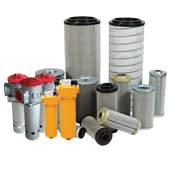
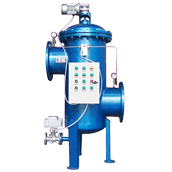
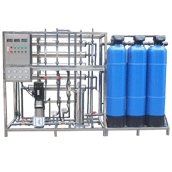
This heavy duty RO water purification equipment is engineered for the water conditions found at mining and mineral processing sites, including coal washing plants, metal ore concentrators, tailings storage facilities and quarry operations. The system is assembled as a containerized or skid-mounted unit, with an inlet section built around a water filter housing for security cartridges, preceded by a self-cleaning filter that removes coarse grit, ore fines and debris automatically so that cartridge change frequency stays manageable on sites where labour is limited and water quality shifts with every rainfall event. Pre-treatment typically combines coagulation dosing, lamella clarification, multi-media filtration and softening, because mine water often contains iron, manganese, aluminium and high hardness in addition to suspended solids. The membrane section uses robust spiral wound elements in pressure vessels rated well above the minimum, with a two-stage or concentrate-recirculation array configured to reach the recovery target appropriate for the site. Frame, piping and cabinet are built for outdoor service: hot-dip galvanized or epoxy-coated steel structure, IP55 or IP65 electrical enclosure, sun and dust protection, and anti-freeze options for cold regions. Many imported heavy duty RO systems are designed around municipal or light industrial water and perform poorly when confronted with abrasive silt and fluctuating metal content, and their replacement membranes and instruments must come from a single overseas source. Our platform is configured against the site's actual water analysis, uses standard-dimension membranes interchangeable with multiple suppliers, and delivers documented performance targets for permeate quality, recovery and output before shipment.
Working Principle

Mine wastewater first enters an equalization tank, which buffers the flow and quality swings that occur when rainfall or process changes alter the water. From there, dosing pumps add coagulant and flocculant, and the water passes a clarifier where suspended ore fines and metal hydroxide flocs settle out. This clarification stage is critical: without it, the downstream filters and membranes would be overwhelmed within days.
Clarified water flows through the self-cleaning filter, which removes remaining grit and debris at a defined micron rating and backwashes automatically on a differential pressure or timer signal. The filtered water then passes multi-media and activated carbon vessels for residual turbidity and organic removal, followed by a softener where hardness is high. A security cartridge inside the filter housing, normally rated 5 micron, forms the last barrier before the membrane feed pump.
The high pressure pump raises the feed to the pressure required by the membrane design flux. In the pressure vessels, water molecules pass through the polyamide layer while dissolved salts, sulphate, metal ions and most organic compounds are rejected into the concentrate stream. Because mine water often carries high salinity, the array is arranged in two stages or with concentrate recirculation to maintain cross-flow velocity and hold recovery at a sustainable level without pushing scaling risk beyond the antiscalant's capability.
Permeate flows to a treated water tank and is then reused for dust suppression, ore washing, boiler make-up, vehicle washing or discharged after final polishing. Concentrate goes to an evaporation pond, deep well injection, or a thermal or membrane concentrator, depending on the site's disposal permit. A CIP system flushes the membranes when normalized flow declines, and the PLC logs pressure, conductivity, flow and recovery so that maintenance decisions are based on trend data rather than on a fixed calendar.
System Configuration and Typical Specifications
| Item | Typical Range |
|---|---|
| Rated output | 5 to 100 m³/h, customized by site demand |
| Feed TDS | Up to 5000 mg/L standard, higher with special array |
| Recovery rate | 45 to 70 percent, depending on water chemistry |
| Pre-treatment | Coagulation, clarification, multi-media, carbon, softener |
| Coarse filtration | Automatic self-cleaning filter, 50 to 200 micron screen |
| Security filtration | 5 micron cartridge in stainless housing |
| Membrane element | 8040 spiral wound, multi-supplier compatible |
| Pressure vessel rating | 300 PSI standard, higher available |
| Structural protection | Hot-dip galvanized frame, epoxy coating, IP55/IP65 cabinet |
| Ambient design | -20 to 50 degrees Celsius with climate options |
| Control | PLC with touch screen, remote monitoring option |
Core Advantages
Built for abrasive and variable water:
pre-treatment is sized on the site's silt load and metal content, not on a municipal water template, which keeps the membrane section protected when raw water quality swings.
Automated coarse filtration reduces operating labour:
the self-cleaning filter handles grit and debris continuously, so crews are not pulling cartridges every shift on a remote site.
Robust outdoor construction:
galvanized frame, protective coating and sealed electricals allow the unit to run in dusty, humid or freezing conditions with limited shelter.
Predictable performance target:
permeate quality, recovery and output are specified against a water analysis and verified during commissioning, giving the site a measurable baseline for compliance reporting.
Multi-supplier membrane compatibility:
standard element dimensions and vessel connections avoid the single-channel spare part dependency that traps owners of imported packaged plants.
Scalable and relocatable:
skid or container design allows additional membrane modules or a second train to be added, and the unit can be moved if the operation shifts to a new pit or plant site.
Documented maintenance logic:
trend-based CIP triggers, alarm history and a spare parts list support a maintenance plan that a site team can execute without external specialists.
Application Scenarios
Coal washing plant process water recovery and discharge treatment
Metal ore concentrator tailings water recovery
Acid mine drainage neutralization and desalination
Quarry and aggregate washing water recycling
Gold, copper and lead-zinc mine process water conditioning
Mine camp and workshop potable or utility water production
Dust suppression water preparation from brackish sources
Mine closure and rehabilitation water treatment projects
Competitive Position and Replacement Notes
Owners comparing heavy duty RO equipment usually raise three issues. First, imported systems designed for light industrial water often carry pre-treatment that is too small for mine conditions, so membranes foul quickly and the promised recovery cannot be sustained. Second, service depends on overseas supply: when a pressure vessel, instrument or element fails, the site may wait weeks, and a mine cannot idle its water treatment for that long. Third, the capital cost of an imported train, once freight, foundation works and commissioning supervision are counted, is often several times the budget a site has available.
Our approach is to specify the system against the site's own water analysis and operating pattern. Clarifier area, media volume, softener capacity and screen rating are sized on measured silt and metal loads, and the membrane array is set to a recovery the water chemistry can actually support. Standard-dimension membranes and mainstream instruments mean replacement parts can be sourced from multiple channels, and we hold common consumables in stock for routine maintenance. The control program is delivered with documentation, and commissioning support and operator training are included, so the site team can run and troubleshoot the plant independently. Structural protection is matched to the climate at the site rather than left at a default specification.
We supply this equipment as an independent system and are not affiliated with any membrane or packaged plant brand. Brand references appear only where compatibility needs to be described.
Selection Guide
Obtain a full water analysis across seasons:
TDS, sulphate, chloride, hardness, iron, manganese, aluminium, silica, COD, turbidity and pH, plus flow variation between dry and wet season.
Confirm the intended use of the treated water, because reuse for dust suppression, boiler make-up and discharge each imply a different quality target and different post-treatment.
Define the disposal route for concentrate and the permitted volume, since this constrains the achievable recovery more than membrane performance does.
Size pre-treatment generously. For mine water, clarification and media filtration capacity should be set on peak silt load, not average load.
Select the screen rating of the self-cleaning filter according to the particle size distribution of the ore fines, and confirm backwash water availability on site.
Choose vessel rating and material against the maximum chloride and temperature the site will see, with margin for upset conditions.
Specify electrical classification, ambient temperature range and structural coating for the actual site climate and dust level.
Agree on the commissioning scope, spare parts package and operator training before shipment, because remote sites rarely have specialists available at short notice.
Installation and Maintenance Notes
Prepare a level foundation with drainage and access for membrane vessel removal, and protect the skid from flooding during the wet season. Verify that the equalization tank has enough volume to buffer process surges, since unstable feed flow is the most common cause of poor membrane performance on mine sites.
Record normalized flow, salt rejection, recovery and differential pressure daily and compare against the commissioning baseline. Run CIP when the trend signals fouling rather than after output has already collapsed. Replace security cartridges at the stated differential pressure, and never operate with a ruptured cartridge, because grit reaching the feed channel damages membranes permanently. Check clarifier sludge withdrawal and dosing calibration weekly, and test softener outlet hardness regularly.
During long shutdowns, flush membranes with permeate and follow the preservation procedure. Keep spare cartridges, seals and instrument parts on site according to the recommended list, and log every cartridge change so that consumption trends reveal pre-treatment problems early.
FAQ
Q1: Can this equipment treat acid mine drainage directly?
A1: Not without neutralization. Acid mine drainage must first be neutralized and clarified to remove dissolved metals, and the RO stage then handles desalination and sulphate reduction. We can integrate the neutralization and clarification stages into the plant scope.
Q2: What recovery rate is realistic for mine water?
A2: Typically 45 to 70 percent, and the upper end is reached only when hardness, silica and sulphate are controlled by softening and antiscalant dosing. Recovery is limited by concentrate disposal rules as much as by membrane capability.
Q3: How do you handle the concentrate stream?
A3: Common routes are evaporation ponds, deep well injection where permitted, or further concentration by thermal or high-pressure membrane processes. We size the RO stage to match the disposal capacity the site actually has.
Q4: How much operator attention does the plant need?
A4: With automatic self-cleaning filtration, PLC control and remote monitoring, routine attendance is typically one shift check per day plus periodic CIP and cartridge changes. Remote sites can route alarms to a central control room or a mobile phone.
Q5: Are replacement membranes available from other suppliers?
A5: Yes. The pressure vessels and element dimensions follow the mainstream 8040 standard, so qualified elements from multiple suppliers can be fitted. We also supply our own elements with traceable performance data if preferred.
Related Products
BW30FR-400/34 Water Treatment RO Reverse Osmosis Membrane
40-inch RO membrane water purifier membrane
High Efficiency Reverse Osmosis Membrane for Water Treatment
Commercial Reverse Osmosis Membrane for Pure Water System
High Salt Rejection RO Membrane for Brackish Water Treatment
Please fill in your procurement needs and contact information