

Material Selection: Polypropylene vs. Glass Fiber in High Flow Media
Introduction: Choosingtherightfiltermediaisessentialforoptimizingperformanceinspecificindustrialenvironments.Thetw
We're here to help:
Easy ways to get the answers you need.
Product parameter:
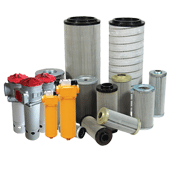
Choosing the right filter media is essential for optimizing performance in specific industrial environments. The two most common materials for high-flow cartridges are polypropylene and glass fiber. Polypropylene is the industry workhorse due to its excellent chemical compatibility and cost-effectiveness. It is naturally hydrophobic and resistant to a wide range of acids, bases, and organic solvents. Most polypropylene filters are manufactured using melt-blown technology, creating a graduated density that allows for depth filtration. This material is ideal for food and beverage applications and general industrial water treatment where high purity is required.

Glass fiber media, on the other hand, is preferred for applications involving high temperatures or the need for extremely high dirt-holding capacity. Glass fibers are much thinner than polypropylene microfibers, allowing for a much higher void volume (the amount of "empty space" inside the filter where dirt is trapped). This results in a filter that can hold more contaminants before the pressure drop becomes too high. Glass fiber is also more structurally rigid at elevated temperatures, making it the superior choice for filtering condensed water in power plants or hot process chemicals in refineries.

The decision between these materials often depends on the specific "terminal pressure drop" goals of the facility. While glass fiber might offer a longer service life in some conditions, polypropylene provides a more inert and "clean" solution for ultra-pure water systems. Modern high-flow filters are often constructed as "all-polypropylene" units to ensure they can be easily incinerated after use, aligning with corporate sustainability goals. By understanding the technical trade-offs between these media types, process engineers can fine-tune their filtration strategy to achieve the perfect balance of effluent quality and replacement frequency.
Please fill in your procurement needs and contact information