

The Science of Radial Pleat Geometry in High Flow Elements
Introduction: Theefficiencyofahigh-flowfiltrationsystemisprimarilydeterminedbytheinternalarchitectureofthefilterel
We're here to help:
Easy ways to get the answers you need.
Product parameter:
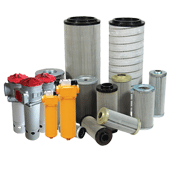
The efficiency of a high-flow filtration system is primarily determined by the internal architecture of the filter element. Unlike traditional longitudinal pleats, advanced high-flow cartridges utilize a compound radial pleat design. This geometric configuration maximizes the usable surface area within a fixed 6-inch diameter. By folding the microfiber media into a star-like pattern, the filter can accommodate significantly more material than a standard cylindrical design. This increased surface area is the secret behind the low flux rates and high dirt-holding capacity that allow a single cartridge to process massive volumes of water with minimal resistance.

From a hydraulic perspective, radial pleats ensure that fluid is distributed evenly throughout the entire structure of the filter. In standard filters, "channeling" can occur where water takes the path of least resistance, leading to premature fouling of certain sections while others remain unused. The radial design creates a uniform flow path, ensuring that the velocity remains low as the fluid passes through the microfibers. This low velocity is crucial for maintaining the integrity of the "filter cake"—the layer of captured contaminants—which actually assists in the filtration process without causing a sudden spike in the pressure differential.

For industrial plant managers, the mechanical stability of these pleats is a major consideration. High-flow elements are typically reinforced with a rigid outer cage and a thermally bonded end cap to prevent pleat bunching or collapse under high-pressure conditions. Because the media is absolute-rated, the consistency of the pore structure is maintained throughout the filter's life. This reliability is why radial pleat technology is favored in critical sectors like microelectronics and power generation, where even a slight bypass of particles could lead to system-wide failures or reduced product yields.
Please fill in your procurement needs and contact information