

Protecting Your RO System: The Importance of Pre-filtration
Introduction: ReverseOsmosis(RO)isahighlyeffectivebutsensitivetechnologyusedfordesalinationandtheproductionofultra
We're here to help:
Easy ways to get the answers you need.
Product parameter:
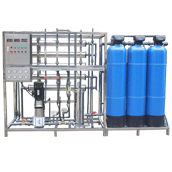
Reverse Osmosis (RO) is a highly effective but sensitive technology used for desalination and the production of ultra-pure water. The heart of the RO system is the semi-permeable membrane, which is designed to reject ions and molecules at the molecular level. However, these membranes are extremely susceptible to physical damage and fouling from suspended solids, colloidal matter, and organic debris. Without a robust pre-filtration "security" layer, an RO system will suffer from rapid pressure increases, reduced permeate flow, and eventually, irreversible membrane failure. Pre-filtration is the essential barrier that ensures the longevity and cost-effectiveness of the entire water treatment plant.

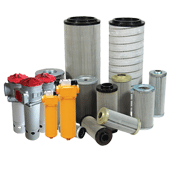
The first line of defense in an RO pre-filtration strategy is typically a high-flow security filter or a bag filtration system. These filters are responsible for removing particles that are large enough to "plug" the narrow feed spacers between the membrane leaves. If silt or sand enters the RO housing, it can physically abrade the thin-film composite layer of the membrane, leading to "leaks" where salts pass through into the clean water. By using absolute-rated cartridges with a micron rating of 1 to 5 microns, operators can ensure that the Silt Density Index (SDI) of the feed water remains within the strict limits required by membrane manufacturers. This prevents the frequent need for chemical cleaning-in-place (CIP) procedures.

Beyond simple particle removal, pre-filtration also helps manage chemical and biological risks. Many high-flow pre-filters are made from high-purity polypropylene microfibers that are chemically inert and do not leach surfactants or binders into the water. This is vital because even trace amounts of chemicals from a low-quality filter can cause "membrane flux decline" or chemical fouling. In systems where the raw water is biologically active, such as surface water or seawater, the pre-filtration stage can be combined with ultrafiltration (UF) membranes. This secondary barrier removes bacteria and viruses, further reducing the bio-fouling potential that often plagues RO systems in tropical or coastal environments.

Ultimately, the goal of a well-designed pre-filtration system is to protect the facility's most expensive assets. While high-flow cartridges and bag filters are consumables, their cost is negligible compared to the price of replacing a full set of RO membranes. A successful strategy involves monitoring the pressure drop across the pre-filters and replacing them before they unload contaminants into the RO feed. By maintaining a clean, stable feed stream, plants can operate their RO systems at higher recovery rates and lower energy consumption. Proactive protection through high-quality security filtration is the most effective way to guarantee the success of a high-purity water project.
Please fill in your procurement needs and contact information