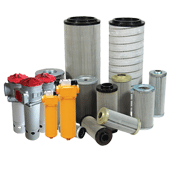
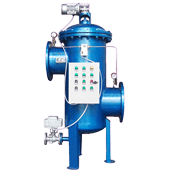
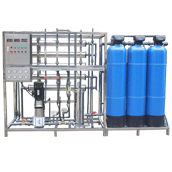
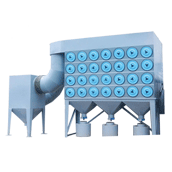
The oil filter element, as a crucial filtering component in hydraulic systems and oil filters, is used to filter out impurities and particles in hydraulic oil, maintain the cleanliness of the system, and ensure the normal operation of the hydraulic system and extend the service life of the equipment.
Composition of oil filter element

Oil filter end cap
Function: Connect devices, fix and seal. Classification: According to the form of the end cap: divided into plastic, carbon steel, aluminum, and stainless steel materials according to commonly used materials; Divided by shape into flat, groove, irregular, and extruded; According to the connection method, it can be divided into adhesive and roll welding; According to the processing method, it can be divided into machining and stamping. Differentiation: Stainless steel shines brightly after electric polishing, carbon steel appears slightly gray after galvanizing, and aluminum strength is between carbon steel and stainless steel, which is used as a distinction.

Oil filter element frame
Function: Filter impurities, intercept solid particles, and provide support and protection.
Classification: According to the skeleton form: The skeleton is commonly made of carbon steel plate, stainless steel plate, aluminum plate, etc.
If the filtering medium is water or ethylene glycol, the surface also needs to be sprayed with plastic. The skeleton can be divided into circular,
square, rectangular, and diamond shapes according to the shape of the holes; It can be divided into inner, outer, middle skeleton, and inner
and outer skeleton according to its purpose.
Differentiation: Carbon steel Q235 punched plate, as the most commonly used material, can withstand general acid and alkali corrosion after
surface galvanizing treatment, fully meeting the requirements for use in occasions without special requirements; SUS201, SUS304, SUS316 and
other stainless steel punched plates are used in highly corrosive environments (strong acid and alkali) and water treatment. Surface electropolishing
treatment increases smoothness.

Oil filter element filter layer
Function: Effectively remove particles, moisture, gases, and other pollutants from hydraulic oil.
Classification: The filter layer is generally composed of a lining mesh and filter material. Lining mesh: commonly used 30 mesh galvanized mesh, 30 mesh stainless steel mesh, 18 mesh spray coated mesh, nylon mesh; Filter material: Common materials include glass fiber, oil filter paper, polyester non-woven fabric, and stainless steel metal mesh material;
Differentiation: Fiberglass media is the most important material for modern filters. During the production process, fiber blending processing is chosen. The processing process is similar to paper production, where the fibers are coated with resin oil and compared to cellulose filter paper, they have a similar structure but a larger pore surface. So there is less flow resistance. There are two commonly used types of fiberglass paper: imported and domestically produced. Imported fiberglass is made by stacking two layers of non-woven fabric and one layer of fiberglass, with clear layers that are easy to break. The filter layer is relatively thin, and the commonly used precision is between 1-25 μ m; Domestic fiberglass is composed of two layers of non-woven fabric and three layers of fiberglass composite, with unclear layers that are not easily broken, and a thick filter layer.

Sealed form
Category: Nitrile rubber and fluororubber;
Differentiation: Nitrile rubber has a smooth surface, bright color, and no odor; The surface of fluororubber is slightly rough with a dull color and a pungent odor.

Function of oil filter element
1. Filter solid particles: It can filter out solid particles in hydraulic oil, such as iron filings, sediment, dust, etc. These particles may cause wear or blockage in the system, leading to system failure or damage;
2. Filter liquid pollution: It can also filter out liquid pollutants in hydraulic oil, such as moisture, acid, alkali, etc. These pollutants may reduce the performance of hydraulic oil, thereby affecting the normal operation of the system;
3. Protecting the hydraulic system: It can effectively protect the hydraulic system, avoiding unnecessary wear and damage. By filtering out solid particles and liquid pollutants, it can ensure that the hydraulic system is always in optimal condition, extend the system's lifespan, and reduce maintenance frequency.
Application field
Oil filter plays an important role in the industrial field, as it can effectively filter out impurities and particles in liquids, ensuring the normal operation of the system. Mainly used in steel mills, power plants (thermal/wind/nuclear power), petrochemical industry, papermaking, shipbuilding, energy and other industries.