Application of Brush-Type Self-Cleaning Filters in an Integrated Wastewater Treatment Project at a Paper Mill.
Amidst the ongoing push for green development in the paper industry, this integrated wastewater treatment project at a paper mill serves as a prime example of efficient resource utilization. The effectiveness of wastewater treatment directly impacts the project's sustainability and compliance, making the performance and stability of the filtration equipment crucial for ensuring the system's long-term operation.
Brush-type self-cleaning filters, as a highly efficient and stable pretreatment device, are increasingly playing a central role in paper mill wastewater treatment.
1. Working Principle
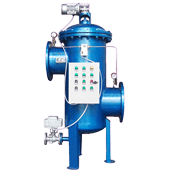
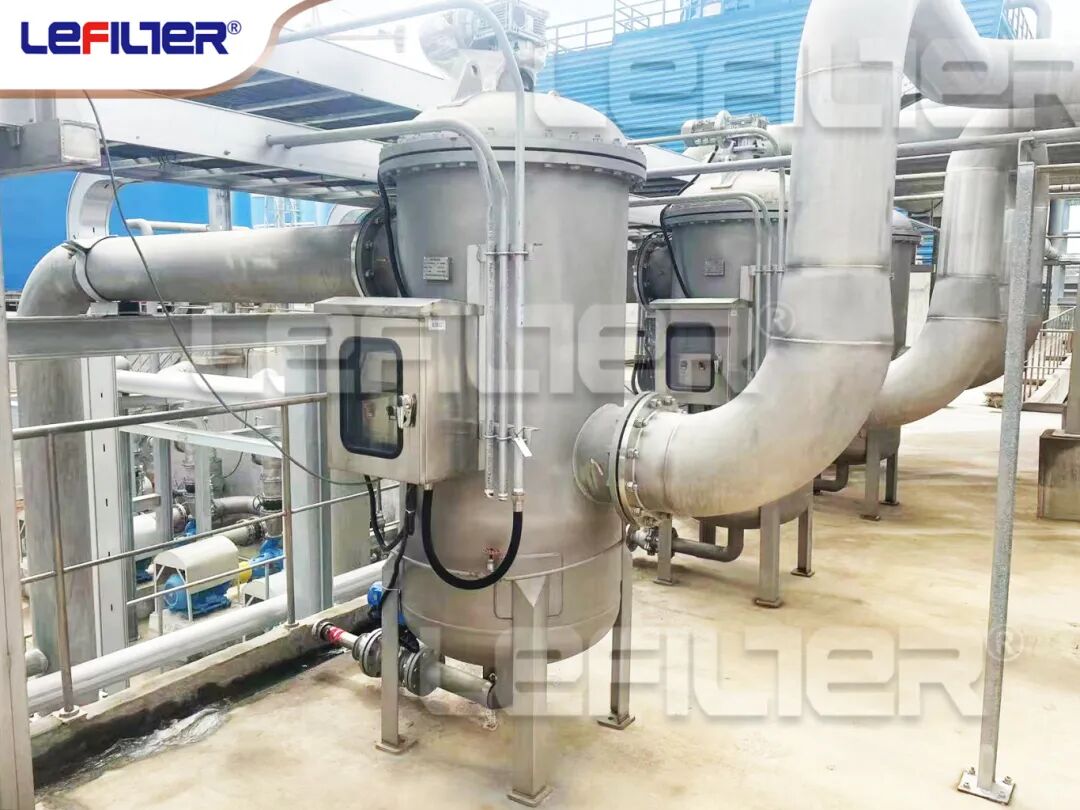
The brush-type self-cleaning filter is an intelligent filtration device that integrates mechanical brushing and differential pressure control. Its core lies in the organic combination of a rotating brush system and a high-precision filter screen, achieving efficient interception and automatic cleaning of suspended particles in wastewater. It is suitable for working environments with high fiber content and complex impurities in papermaking wastewater.
During operation, the water to be treated enters the filter through the inlet. Solid particles are trapped by the filter screen, while the clean liquid passes through and is output. As the filtration process progresses, impurities gradually accumulate. When the pressure difference between the inlet and outlet water reaches a preset threshold, the control system automatically starts the drive motor, rotating the brushes inside the filter screen to remove the attached dirt. Simultaneously, the drain valve briefly opens to discharge the dirt from the system. The entire process is fully automated, does not affect normal filtration, and achieves continuous self-cleaning.
2. Four Key Features
(I) Continuous Filtration, Stable Operation
No downtime is required during cleaning, ensuring continuous and stable system operation, making it particularly suitable for the long-cycle operation requirements of paper production lines.
(II) Intelligent Adjustment, Highly Efficient Cleaning
Based on a differential pressure signal-triggered cleaning mechanism, the cleaning frequency can be automatically adjusted according to water quality changes, effectively avoiding over-cleaning or incomplete cleaning.
(III) Reliable Structure, Durable
Key components are made of corrosion-resistant and wear-resistant materials, enabling it to withstand the harsh conditions of complex chemical compositions and high fiber content in papermaking wastewater.
(IV) Simple Maintenance, Economical Operation
High degree of automation, minimal daily maintenance workload, and effective control of long-term operating costs.
3. Technology Integration and System Adaptability
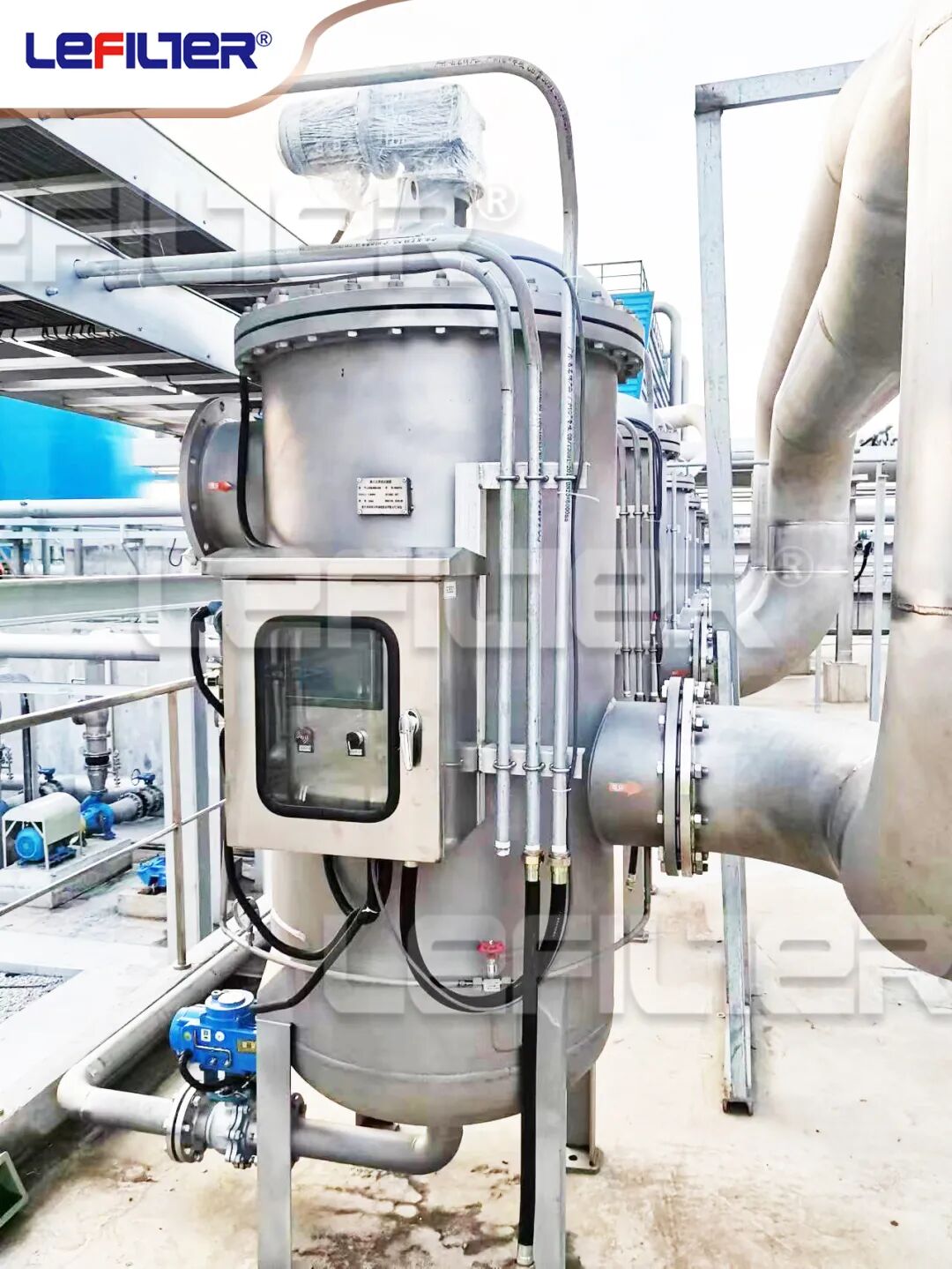
This equipment integrates mechanical design, automatic control, and fluid handling technologies, and is equipped with an intelligent electrical control system that supports remote monitoring and operation. Its modular design makes installation and expansion more flexible, suitable for new projects, and facilitates the upgrading of existing systems, helping paper mills achieve energy conservation, emission reduction, and refined management in wastewater treatment.
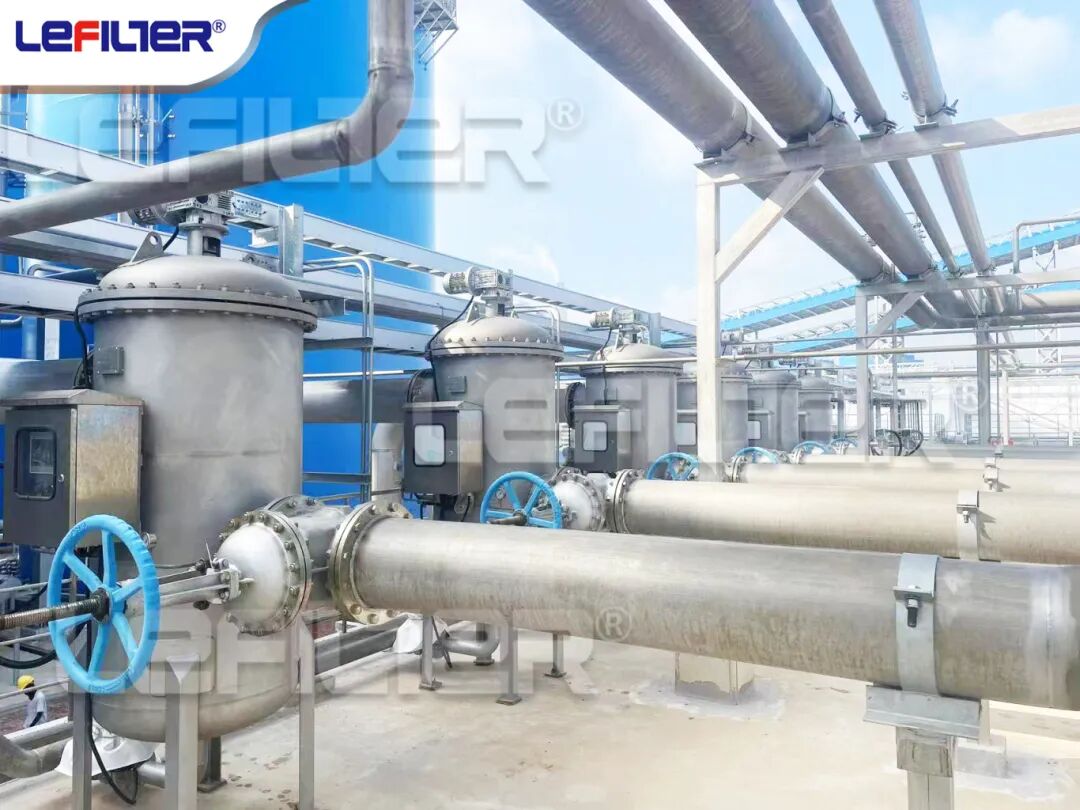
As the paper industry increasingly demands environmental compliance, energy efficiency improvements, and intelligent operation, brush-type self-cleaning filters, with their high efficiency, reliability, and intelligent technology, are gradually becoming a solution for wastewater pretreatment.
In the development path of industrial green transformation, this type of equipment will continue to provide technical support for paper projects, helping companies achieve their goals of clean production and resource recycling.