

Submersible High-efficiency Energy-saving Aerator for Wastewater Aeration
Introduction:Submersible high-efficiency energy-saving mixing aerator is an advanced mechanical aeration equipment for aerobic wastewater treatment. It mixes air, water and activated sludge fully inside the tank to boost dissolved oxygen and improve biochemical degradation efficiency. Many wastewater system integrators and plant operators are searching for low-power, trouble-free alternatives to traditional surface aerators. This article covers product introduction, working principle, main structure, technical parameters, core advantages and application scenarios, helping engineers and buyers make proper selection for aerobic tank projects.
We're here to help:
Easy ways to get the answers you need.
Product parameter:
Product Introduction
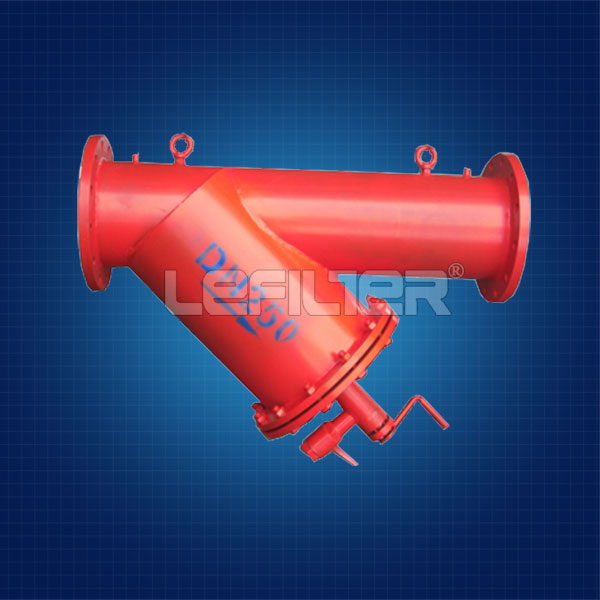
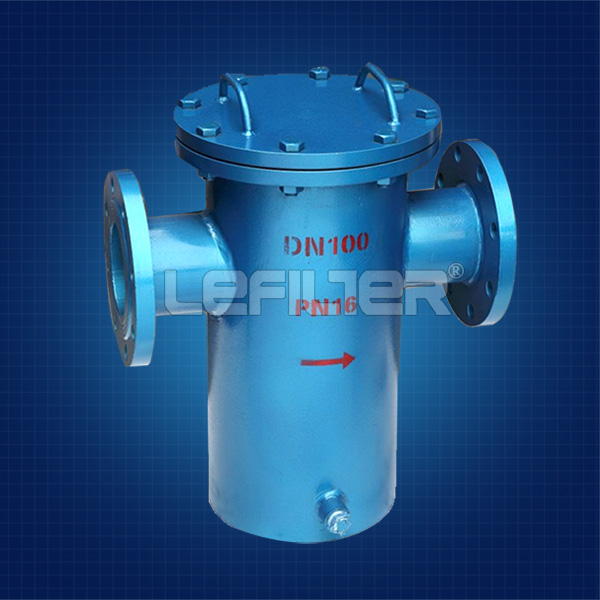
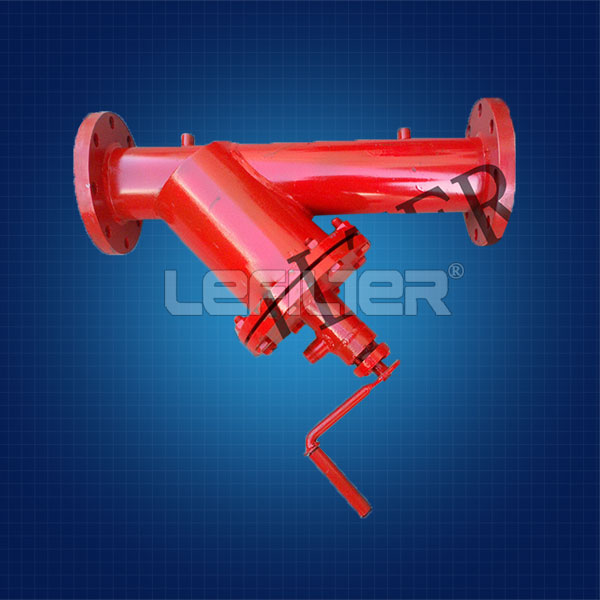
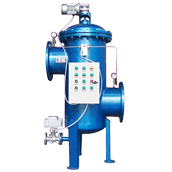
The submersible high-efficiency energy-saving mixing aerator adopts cutting-edge international design concepts and technology. It can be matched with water filter housing and self-cleaning filter in the upstream pretreatment pipeline to intercept impurities and avoid debris entering the aeration tank and jamming the aerator rotor. This aeration machine features non-clogging structure, adjustable oxygen transfer capacity, high transmission efficiency, easy maintenance and low power consumption, ranking among the most energy-efficient mechanical aeration products in the domestic market. It does not require a dedicated empty aeration tank, and the whole unit can be lifted and moved conveniently. With stable alpha value and consistent high efficiency during submerged operation, it runs underwater without noise pollution. The outer cover is normally made of stainless steel, and special material options are available for petrochemical wastewater with corrosive components. It is widely used in aerobic biochemical treatment of industrial wastewater and domestic sewage.
Working Principle

Pressurized air delivered by the blower is transported through movable air pipes to the rotor. Under the high-speed rotation of the rotor, air is crushed into micro fine bubbles. The bubbles are forcefully mixed with surrounding water, then radiate outward in a wave-shaped curve driven by the rotor. The stator channels distribute the air-water mixture evenly across aeration tanks of different shapes. The strong turbulent flow generated by the rotor maintains ideal oxygen transfer performance, continuously mixing water, air and activated sludge thoroughly to achieve efficient pollutant removal. During operation, negative pressure is generated inside the unit, which reduces the required air supply pressure from the blower, normally matching the water depth. Compared with conventional aeration equipment, its overall power consumption is greatly reduced. The main components include reduction motor, air inlet, air duct, base assembly, conical impeller, air supply system and electric control system.
Core Advantages
1. Adjustable oxygen transfer capacity:
The oxygen delivery rate can be modified on demand to fit changing pollutant load.
2. Flexible installation:
Fast on-site setup, no need to build an empty aeration tank.
3, Non-clogging design:
Effectively avoid blockage caused by sludge and fibrous impurities.
4. Easy relocation:
The whole unit can be lifted and moved anytime for tank renovation or process adjustment.
5. Stable aeration performance:
Maintains stable α value and consistent high efficiency during long-term running.
6. No extra air cooling required:
It is cooled directly by surrounding water in the tank.
7. Silent underwater operation:
No noise disturbance to the surrounding environment.
8. Low blower pressure requirement:
Saves energy of the air supply system.
Technical Specifications
| Item | LF-3 | LF-5.5 | LF-7.5 | LF-11 | LF-15 | LF-22 |
|---|---|---|---|---|---|---|
| Power (Kw) | 3 | 5.5 | 7.5 | 11 | 15 | 22 |
| Total Height (mm) | 1580 | 1970 | 2100 | 2260 | 2400 | 2500 |
| Diameter (mm) | 1420 | 1720 | 1720 | 2270 | 2270 | 2610 |
| Working Water Depth (m) | 3-20 | 3-20 | 3-20 | 4-20 | 4-20 | 4-20 |
| Air Intake (m³/h) | 220 | 300 | 480 | 600 | 750 | 1300 |
| Oxygen Transfer (KgO₂/h, 5m depth) | -36 | -50 | -75 | -100 | -120 | -210 |
| Radiation Diameter (m) | 6 | 9 | 12 | 15 | 18 | 23 |
Application Scenarios

Industrial wastewater aerobic treatment with variable pollution loads
Domestic sewage treatment plant aerobic tank
Petrochemical wastewater biochemical aeration projects
Renovation and upgrading of old biochemical systems
Sewage treatment for food, printing and dyeing, chemical industries
Projects where low noise and energy saving are required
FAQ
Q1: What is the difference between this submersible aerator and traditional surface aerators?
A: It works fully submerged underwater with low noise, requires lower blower pressure and consumes less power. It also realizes mixing and aeration at the same time.
Q2: What is the working depth range?
A: The standard working depth covers 3m to 20m, suitable for deep aerobic tanks.
Q3: Can it be used for corrosive wastewater like petrochemical sewage?
A: Yes, we can customize special corrosion-resistant material for the outer shell and wetted parts.
Q4: Is it easy to maintain?
A: Yes. The whole unit can be lifted out of the tank for inspection and repair, no need to drain the tank for routine maintenance.
Q5: Why match self-cleaning filter and water filter housing before the aeration tank?
A: Pre-filtration removes large fibers and debris, preventing them from entering the aerator rotor and causing clogging or abrasion.
Related Products
XF Series auto self cleaning strainer
S304 S316 stainless steel fully Automatic Backwash Water
316L Stainless Steel Brush Self-Cleaning Filter for Corrosive Water
Heavy Duty Brush Type Self-Cleaning Strainer | Customizable Size & Material
Brush Type Self-Cleaning Filter | Automatic Backwash Filter for Industrial Water Treatment
Please fill in your procurement needs and contact information