

Activated Carbon Filter for Organic Matter, Color and Chlorine Removal in Water Treatment
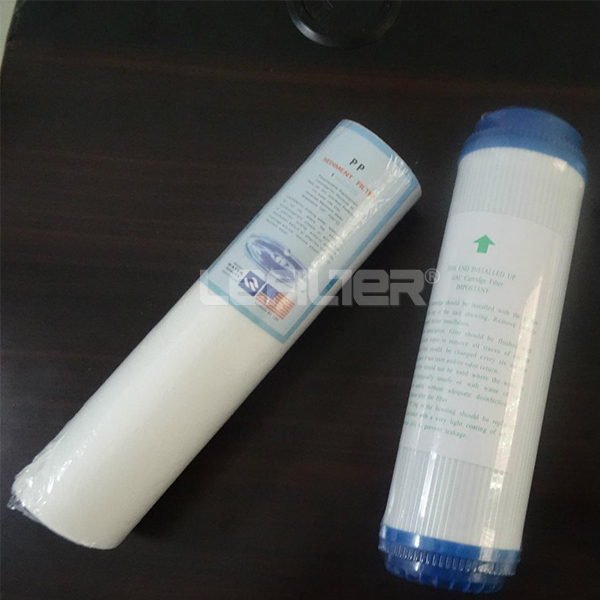
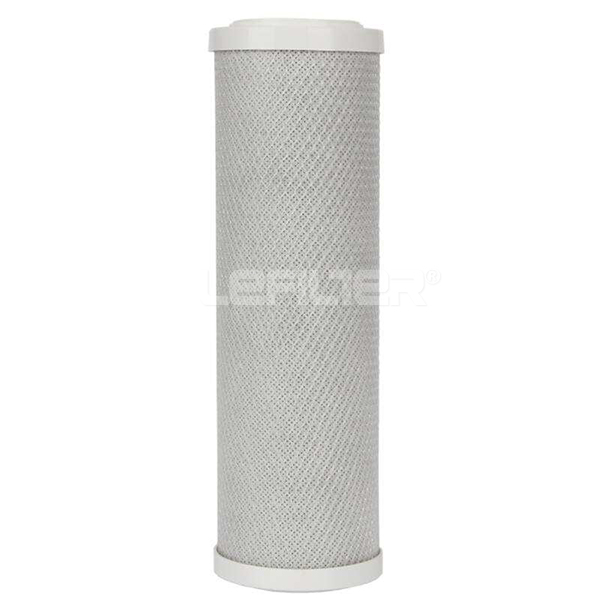
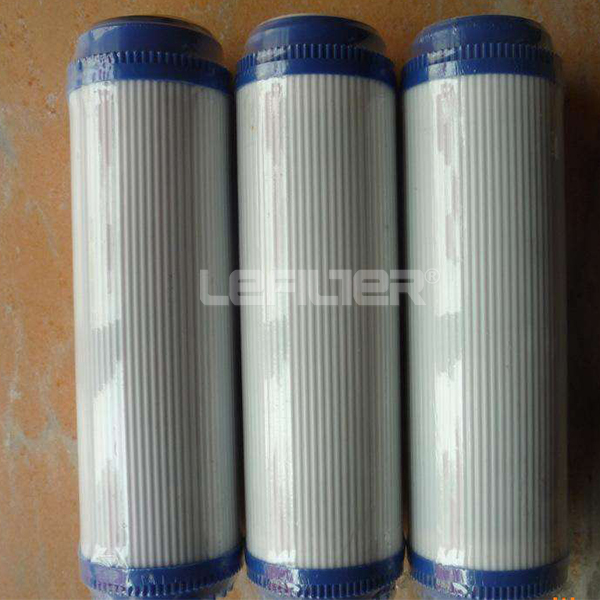
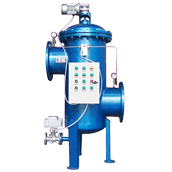
Introduction:The activated carbon filter is an indispensable pretreatment unit for water treatment systems. It uses activated carbon media to adsorb organic contaminants, residual chlorine and color from raw water, protecting downstream ion exchange resin and RO membranes. It can be equipped with water filter housing and automatic backwash assembly to work as a reliable self-cleaning filter in purification lines.
We're here to help:
Easy ways to get the answers you need.
Product parameter:
Product Introduction
This activated carbon filter, fitted with durable water filter housing, works as a practical self-cleaning filter for water dechlorination and organic adsorption. It is widely applied in water supply and drainage treatment systems to remove organics, color and residual chlorine in water. Different types of activated carbon filling can be selected to achieve customized treatment targets. When used as pretreatment ahead of ion exchange systems, it effectively extends the service life of ion exchange resin, stabilizes outlet water quality and prevents resin poisoning.
Working Principle

Raw water flows into the tank and passes through the activated carbon bed. Relying on the huge specific surface area and porous structure of activated carbon, organic compounds, residual chlorine, pigment, odor and trace heavy metals are adsorbed onto the carbon surface. Suspended particles are also intercepted during this process. When the adsorption capacity gradually becomes saturated or the pressure drop rises to the set threshold, the backwashing process starts. Upward backwash water fluidizes the carbon bed to flush out trapped suspended solids and accumulated sludge. After backwashing, the filter resumes normal adsorption and filtration. Once the carbon media reaches full saturation after long-term operation, the activated carbon needs to be replaced or regenerated.
Core Advantages
1. High efficiency:
supports 24-hour continuous operation, no shutdown required for backwashing.
2. Low operating cost:
no high-head, large-flow backwash pump is required.
3. Low maintenance cost:
there are no rotating parts inside the tank except filter media, leading to low failure rate and minimal maintenance expenditure.
4. Low initial investment:
no extra coagulation tank, sedimentation tank, backwash pump or electric/pneumatic valves are needed. The project workload and one-time investment are greatly reduced.
5. Low head loss:
if the filter media is kept clean timely, the total head loss is no more than 0.5 m.
6. Flexible inlet water requirement:
it can sustain long-term SS concentration of 150 mg/L in inflow, and tolerate short SS shock load up to 300 mg/L without deterioration of outlet water quality.
7. Stable outlet water quality:
consistent filtration performance without periodic water quality fluctuation when the media is well maintained.
8. Easy expansion:
unit modular design allows adding or removing filter tanks flexibly according to changing water flow.
9. Small footprint and neat appearance:
it integrates the traditional three-stage reclaimed water treatment process into one single unit, saving 70%~80% land area with compact and elegant layout.
Application Scenarios
1. RO and ultrafiltration pretreatment:
remove residual chlorine to prevent oxidative damage to reverse osmosis and UF membrane elements.
2. Ion exchange system pretreatment:
protect resin from organic poisoning.
3. Drinking water and tap water purification:
remove odor, color, organic pollutants and residual chlorine for domestic water.
4. Food and beverage industry water treatment:
improve taste and purity of production water.
5. Industrial circulating water and wastewater reuse:
decolorization, odor removal and organic pollutant reduction.
Swimming pool, aquaculture and municipal water supply projects.
FAQ
Q1: What is the main function of activated carbon filter?
A: Its core functions are residual chlorine removal, organic adsorption, decolorization and deodorization. It is a common pretreatment device for membrane systems.
Q2: How often do I need to replace activated carbon?
A: The service cycle depends on raw water quality. Normally replacement is required every 6–18 months after the carbon is saturated and loses adsorption capacity.
Q3: Can this filter run continuously for 24 hours?
A: Yes. It supports continuous operation, and backwashing will not require long-time shutdown.
Q4: What material options are available for the tank?
A: Stainless steel 304, 316 and carbon steel with anti-corrosion lining are available for selection.
Q5: Is it installed before or after quartz sand filter?
A: In most pretreatment sequences, the quartz sand filter is placed upstream to remove suspended solids first, followed by the activated carbon filter for dechlorination and organic removal.
Related Products
Activated carbon filter for circulating water in chemical plants
PECO 1122-C Activated carbon filter cartridge
Advanced biological activated carbon filter
Please fill in your procurement needs and contact information