

Optimizing HVAC Efficiency with Automatic Filtration
Introduction: Centralairconditioningandlarge-scaleHeating,Ventilation,andAirConditioning(HVAC)systemsdemandhighwat
We're here to help:
Easy ways to get the answers you need.
Product parameter:
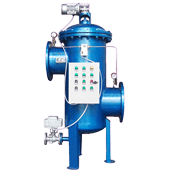
Central air conditioning and large-scale Heating, Ventilation, and Air Conditioning (HVAC) systems demand high water clarity to function at peak performance. If cooling water contains excessive suspended solids or particulates, it can lead to scaling and clogging in the condenser and evaporator tubes, drastically reducing heat exchange efficiency and increasing electricity consumption. Automatic self-cleaning filters address this by continuously removing fine debris from the circulating loop. By preventing the accumulation of "filter cake" on heat exchange surfaces, these filters can improve a system's energy efficiency by over 15%, resulting in substantial annual utility savings.

The intelligence of the control system is what makes self-cleaning filters indispensable for HVAC applications. The units can be programmed to trigger based on either pressure differential or timed intervals, allowing for seasonal adjustments. For example, during high-load summer periods when biological growth and debris levels are higher, the system automatically increases cleaning frequency. This flexible mechanism prevents excessive backwashing and ensures the system always operates at low resistance. By protecting the high-value centrifugal chillers and pumps from abrasive wear, the filter acts as a long-term insurance policy for the building’s climate control infrastructure.

From an installation perspective, these filters offer versatile configurations, including vertical or horizontal orientations, to fit into tight mechanical rooms. Modern units are often equipped with remote communication modules, allowing them to interface with a building’s Building Management System (BMS) for real-time monitoring and early warning alerts. For facility managers, this "set-and-forget" reliability reduces the burden of manual checks. The integration of such technology not only lowers maintenance intensity but also ensures the HVAC system meets modern sustainability and green building certification standards.
Please fill in your procurement needs and contact information