

Understanding Micron Ratings: Absolute vs. Nominal Filtration
Introduction: Whenselectinghigh-flowfiltercartridgesorsecuritybagfilters,oneofthemostmisunderstoodtechnicalspecifi
We're here to help:
Easy ways to get the answers you need.
Product parameter:
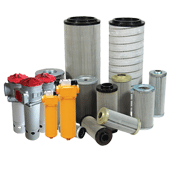
When selecting high-flow filter cartridges or security bag filters, one of the most misunderstood technical specifications is the micron rating. A micron rating indicates the size of the particles that a filter can intercept, but the difference between "nominal" and "absolute" ratings is critical for system performance. A nominal rating is an empirical value representing the filter's ability to trap a percentage of particles of a given size, typically ranging from 50% to 90%. In contrast, an absolute rating is a much stricter standard, indicating that the filter has been tested to remove 99.9% or more of particles at that specific size. For critical applications where water quality cannot be compromised, absolute-rated filters are the industry standard.

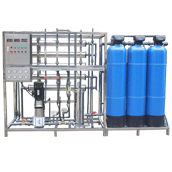
The choice between absolute and nominal filtration often comes down to the sensitivity of the downstream equipment. For example, if you are using high-flow filters as a "security" stage to protect reverse osmosis (RO) membranes, an absolute rating is essential. RO membranes have microscopic pores that can easily be damaged by "bypass" particles. If a nominal filter is used, a sudden spike in pressure or a change in flow velocity could cause particles to "unload" or squeeze through the media, leading to membrane fouling. Absolute-rated microfibers are engineered to have a fixed pore structure that does not change under pressure, providing a reliable and predictable barrier that safeguards the most expensive components of the water treatment plant.

Furthermore, the manufacturing process of the filter media plays a vital role in achieving these ratings. High-performance filters are often made from melt-blown polypropylene microfibers that are laid down in a graduated structure. This means the outer layers trap larger debris while the inner layers provide the final, precise filtration. This depth-loading capability, combined with a pleated surface, allows the filter to maintain its absolute rating for a much longer period than a simple surface filter. Understanding these technical nuances allows plant managers to make informed decisions that balance the initial cost of the filter with the long-term savings gained from reduced equipment wear and higher effluent consistency.
Please fill in your procurement needs and contact information