

High Flow vs. Standard Cartridges: Why Size Matters in Filtration
Introduction: Inindustrialwatertreatment,thedebatebetweenusingstandard2.5-inchcartridgesandmodernhigh-flowelements
We're here to help:
Easy ways to get the answers you need.
Product parameter:
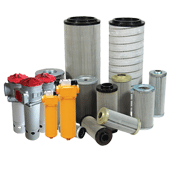
In industrial water treatment, the debate between using standard 2.5-inch cartridges and modern high-flow elements is often centered on efficiency and total cost of ownership. For decades, the 2.5-inch cartridge was the industry standard, but as production volumes have increased, the limitations of small-diameter filters have become apparent. A standard system requires a massive array of filters to handle high volumes, leading to complex housing designs and a higher probability of bypass or sealing issues. High-flow cartridges, typically featuring a 6-inch or larger diameter, address these challenges by providing a significantly higher throughput per unit. One single high-flow element can often replace ten to fifteen standard cartridges, simplifying the entire filtration process from logistics to operation.

The physical size of a filter directly impacts the velocity of the fluid moving through the media. In high-flow systems, the large diameter and optimized pleat geometry allow for a lower flux rate per unit of surface area, despite the high total flow. This results in a much lower pressure drop across the system, which preserves the structural integrity of the filter media and extends its service life. When you reduce the number of filters required for a specific flow rate, you simultaneously reduce the number of potential leak points. High-flow housings are not only smaller—saving up to 50% of plant floor space—but are also easier to maintain, as there are fewer seals and O-rings to inspect and replace during routine maintenance cycles.
From a financial perspective, the transition to high-flow technology is a strategic investment in labor reduction. Traditional systems with dozens of small filters require hours of labor for a single change-out, involving the unscrewing of numerous tie-rods and the manual handling of multiple wet, heavy elements. High-flow systems are designed for speed; most feature user-friendly handles and quick-lock mechanisms that allow a single operator to complete a change-out in a fraction of the time. This reduction in downtime is critical for high-capacity plants that operate 24/7. Furthermore, by reducing the total volume of spent filter waste, facilities can lower their environmental disposal fees, making high-flow filtration a more sustainable choice for modern manufacturing.

Finally, the shift toward large-scale filtration is driven by the need for absolute reliability in critical downstream processes. Whether protecting a reverse osmosis membrane or ensuring the purity of a bottled beverage, the consistency of the filter is paramount. High-flow cartridges are manufactured using precision microfiber technology that offers absolute micron ratings. This means they provide a predictable barrier against contaminants, unlike some smaller nominal filters that may allow particles to "unload" under pressure fluctuations. By choosing size and sophisticated engineering over quantity, industrial facilities ensure a more stable, cost-effective, and professional water treatment solution that meets the highest global standards.
Please fill in your procurement needs and contact information