

Maximizing ROI with Advanced Reverse Osmosis (RO) Membranes
Introduction: ReverseOsmosis(RO)isthegoldstandardfordesalinationandtheproductionofultra-purewaterinthemodernera.At
We're here to help:
Easy ways to get the answers you need.
Product parameter:
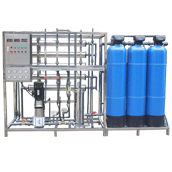
Reverse Osmosis (RO) is the gold standard for desalination and the production of ultra-pure water in the modern era. At the heart of this process are semi-permeable membranes, typically constructed from thin-film composite (TFC) materials designed to reject dissolved salts, minerals, and organic contaminants at the molecular level. However, the performance and lifespan of an RO membrane are heavily dependent on the quality of the incoming feed water. To maximize the return on investment (ROI) for an RO system, a comprehensive pre-filtration strategy is not just recommended—it is essential. When membranes are fed with high-quality, pre-filtered water, they operate at higher flux rates and require significantly less frequent chemical cleaning.

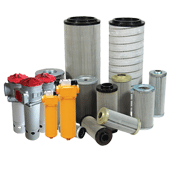
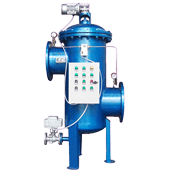
Advanced RO membranes are engineered for high salt rejection and stable performance, even when handling challenging brackish water or seawater sources. However, they are physically delicate and highly susceptible to fouling if exposed to suspended solids, oils, or biological growth. This is where high-flow security filters and automated pre-treatment systems become vital. By removing particles as small as 1 micron before they reach the membrane surface, these systems prevent the narrow feed spacers in the RO elements from becoming "plugged." This proactive protection ensures that the Silt Density Index (SDI) remains within the manufacturer's specified limits, which is the single most important factor in preventing irreversible membrane damage.

Maintaining the long-term health of an RO system requires a combination of high-quality components and disciplined operational protocols. Beyond pre-filtration, operators must monitor operating pressures and concentrate flow rates to prevent the scaling of minerals on the membrane surface. When the pre-filtration system is working correctly, the frequency of cleaning-in-place (CIP) cycles is reduced, which saves money on chemicals and extends the physical life of the TFC layers. For industries such as pharmaceutical manufacturing, semiconductor production, and large-scale power generation, the synergy between high-performance membranes and robust security filtration is the key to achieving a sustainable, low-cost supply of high-purity water.
Please fill in your procurement needs and contact information