

UV Photocatalytic Oxidation Purifier for Industrial VOC and Odor Treatment
Introduction:Industrial malodorous gas and VOC emissions are a major environmental challenge for chemical, rubber, pharmaceutical and wastewater treatment plants. The UV photocatalytic oxidation purifier is a widely used industrial air treatment device for breaking down odor molecules and volatile organic compounds. It adopts high-energy UV ultraviolet beams to generate ozone and hydroxyl free radicals, oxidizing pollutants into harmless carbon dioxide and water without secondary pollution. This equipment runs only on electricity, features low operational cost and easy maintenance, and is a reliable solution for waste gas deodorization in refineries, rubber factories, chemical plants, pharmaceutical factories, sewage treatment plants and waste transfer stations.
We're here to help:
Easy ways to get the answers you need.
Product parameter:
Product Introduction
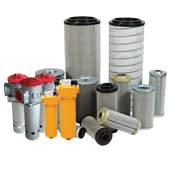
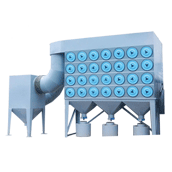
The UV photocatalytic oxidation purifier is a professional waste gas purification equipment specially developed for industrial odor and VOC removal. It targets hydrogen sulfide, ammonia, methyl mercaptan, dimethyl disulfide, benzene, toluene, xylene and other odorous and volatile organic pollutants. It can be combined with a Dust Collector Filter for pre-dust removal and an Air compressor filter for auxiliary air supply purification in integrated exhaust treatment systems. With high-energy UV ultraviolet radiation, the unit decomposes oxygen molecules in the air to produce free oxygen and ozone. Combined with photocatalyst materials, it generates strong oxidizing hydroxyl radicals, which crack the molecular chains of organic and inorganic malodorous substances and convert them into small harmless molecules such as CO₂ and H₂O. No extra chemical reagents are required during the whole treatment process. It consumes only electric power and does not produce secondary waste, making it an eco-friendly and economical choice for factory exhaust treatment. The compact cabinet structure is convenient for pipeline installation and can be matched with other air treatment equipment to form a complete waste gas treatment system.
Working Principle

The core working mechanism includes two synergistic reactions: UV photolysis and photocatalytic oxidation.
High-energy ultraviolet tubes inside the equipment release high-photon-energy UV rays. When UV light hits oxygen molecules, oxygen is split into free oxygen atoms. Unstable free oxygen atoms combine with oxygen molecules to form ozone. Ozone has strong oxidation capacity and can directly oxidize and decompose odor gas molecules.
Meanwhile, the UV light irradiates the built-in nano photocatalytic materials. The catalyst absorbs photon energy and generates electron-hole pairs. The holes react with water vapor in the air to produce hydroxyl free radicals (·OH), and the electrons react with oxygen to produce superoxide anion radicals. These free radicals have extremely high oxidation potential. They can oxidize organic pollutants that cannot absorb UV light directly.
Most organic waste gas molecules can be decomposed within 2–3 seconds under the combined action of UV photolysis and photocatalysis. Long-chain organic molecules are broken and finally mineralized into carbon dioxide and water vapor. The photon energy of the UV lamp tube reaches 647 KJ/mol and 742 KJ/mol, which is sufficient to break the chemical bonds of common VOC molecules. Since no additives are put into the reaction chamber, no secondary pollutants will be generated after purification.
Treated Pollutants & Application Range
Types of treatable waste gas
Ammonia, trimethylamine, hydrogen sulfide, methyl mercaptan, methyl sulfide, methyl disulfide, carbon disulfide, styrene, other sulfide compounds, benzene, toluene, xylene and a wide range of VOC substances.
Applicable industries
Refineries, rubber factories, chemical plants, pharmaceutical factories, sewage treatment plants, waste transfer stations and other facilities that produce persistent foul-smelling exhaust gas. It is suitable for deodorization and purification of exhaust gas from production, fermentation, sludge treatment, waste storage and chemical synthesis processes.
Core Advantages
Powerful deodorization performance
The synergistic effect of UV photolysis and catalytic oxidation provides fast odor removal. It works effectively on complicated mixed malodorous gas and obvious irritating smell. The purification reaction takes only a few seconds once the gas passes through the reaction chamber.
No chemical dosing, no secondary pollution
The whole reaction relies on light energy and air. No liquid chemicals, adsorbents or other consumables are continuously added. The final decomposition products are carbon dioxide and water, avoiding the trouble of hazardous waste disposal.
Low operating cost and energy saving
The only consumption is electricity for UV lamp tubes. There is no need for frequent replacement of filter media or absorbent materials. The overall running cost is far lower than many other waste gas treatment technologies.
Simple structure and easy installation
The cabinet-type integrated design is easy to connect with exhaust pipelines. It can be installed horizontally or vertically. It can be used as a standalone unit or combined with spray towers, activated carbon boxes and other equipment to form a multi-stage purification system. When configured with pulse-type dust removal pretreatment, the supporting Air compressor filter ensures clean compressed air supply, while the upstream Dust Collector Filter blocks solid particles and protects the UV lamp tubes from contamination.
Stable continuous operation
The equipment can run 24 hours continuously. It has a simple control system and low failure rate. It is suitable for continuous production workshops with stable exhaust gas discharge.
Wide adaptability to working conditions
It can adapt to medium and low concentration VOC and odor waste gas. It has good tolerance for humid exhaust gas within the allowable range and is widely applicable for different industrial scenarios.
Structure & Main Components
The main body is a sealed metal cabinet with air inlet and air outlet flanges for pipeline connection. Inside the cabinet, the core components include high-energy UV ultraviolet lamp tubes, lamp tube fixing brackets, nano photocatalytic coating modules, an electrical control cabinet, inspection doors, and an insulation and anti-corrosion cabinet shell. The inspection door is convenient for regular lamp replacement and internal cleaning. The shell is anti-corrosion treated to resist weak corrosive gas from sewage and chemical workshops.

Installation, Operation and Maintenance
Installation requirements
Install the unit on a flat foundation and connect the air inlet and outlet to the exhaust pipeline. Ensure the airtightness of the pipeline to prevent gas leakage. A proper air duct reducer should be used to keep the airflow uniform inside the cabinet. It is recommended to install a Dust Collector Filter before the UV purifier if the waste gas contains a large amount of dust, to avoid dust covering the lamp tubes and photocatalyst plates and reducing the treatment efficiency. If compressed air purging is required for the pre-filter, an Air compressor filter must be installed on the air line.
Operation instructions
Start the exhaust fan first, then turn on the UV lamp power supply. Do not start the UV lamp without airflow for a long time. Avoid direct human eye exposure to ultraviolet light. The inspection door must be tightly closed during operation.
Routine maintenance
Clean the surface of UV lamp tubes and photocatalyst plates regularly to remove oil and dust accumulation.
Replace UV lamp tubes on schedule. The ultraviolet intensity will gradually decline after long running hours, which reduces decomposition efficiency.
Check the electric circuit and sealing condition every month. If lamp tubes are damaged or blackened, replace them promptly.
Keep the gas moisture within the design range. Excessive water vapor will reduce photocatalytic efficiency.
Service the upstream Dust Collector Filter and downstream Air compressor filter following the maintenance cycle to guarantee the whole exhaust system works steadily.
Matching suggestion
For high-concentration waste gas, the UV photocatalytic purifier is usually used after a water spray scrubber to reduce temperature, dust and soluble pollutants, so as to extend the service life of the UV lamp and improve overall purification effect.
FAQ
Q1: What concentration of VOC is suitable for this UV photocatalytic purifier?
A: It is mainly used for low and medium concentration VOC and odor waste gas. For high-concentration organic waste gas, it is better to use it as secondary purification after pretreatment equipment such as a Dust Collector Filter.
Q2: Does this UV photocatalytic equipment produce ozone?
A: Yes, ozone is generated during the UV irradiation process. The equipment is designed with reasonable residence time to make ozone participate in the oxidation reaction. If ozone residue at the outlet exceeds the standard, an activated carbon or ozone decomposition module can be added at the back end.
Q3: How long is the service life of the UV lamp tube?
A: Normally, the service life of high-energy UV tubes is about 8000 hours. The UV intensity will decrease gradually, so regular replacement is required to guarantee purification efficiency.
Q4: Can this equipment treat high-temperature waste gas?
A: The working temperature of UV lamp tubes and photocatalyst plates has an upper limit. High-temperature gas needs cooling pretreatment before entering the purifier.
Q5: Why match the UV purifier with a Dust Collector Filter and Air compressor filter?
A: The Dust Collector Filter intercepts solid dust to protect UV lamps and photocatalyst plates. The Air compressor filter removes oil and water from compressed air if you adopt automatic pulse cleaning for the pre-filter, preventing valve blockage.
Related Products
Filter Cartridge Dust Collector lefilter P191526-016-436
P19-1006 Dust Collection Filter Cartridges
P19-1037 lefilter dust collector cartridge filter
Please fill in your procurement needs and contact information