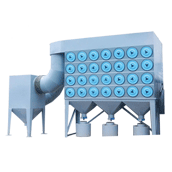


DMC Single Machine Pulse Bag Dust Collector for Industrial Dust Removal
Introduction:Industrial workshops handling cement, coal, metallurgy and non-metallic mineral powders face constant pressure from airborne dust, strict emission limits and high maintenance cost. The DMC single machine pulse bag dust collector is a compact, lightweight unit that combines a bag-type Dust Collector Filter with a high-pressure pulse jet cleaning system, achieving collecting efficiency of 99.99% at a dust emission level that meets the latest environmental protection standards. Because the pulse valves are driven by compressed air, a properly matched Air compressor filter upstream is essential to remove oil, water and particles before they enter the diaphragm valves. This article explains its working principle, structural composition, technical parameters, performance advantages, application scenarios and selection guidance, helping overseas buyers specify the right model for their workshop dust control projects.
We're here to help:
Easy ways to get the answers you need.
Product parameter:
Product Introduction
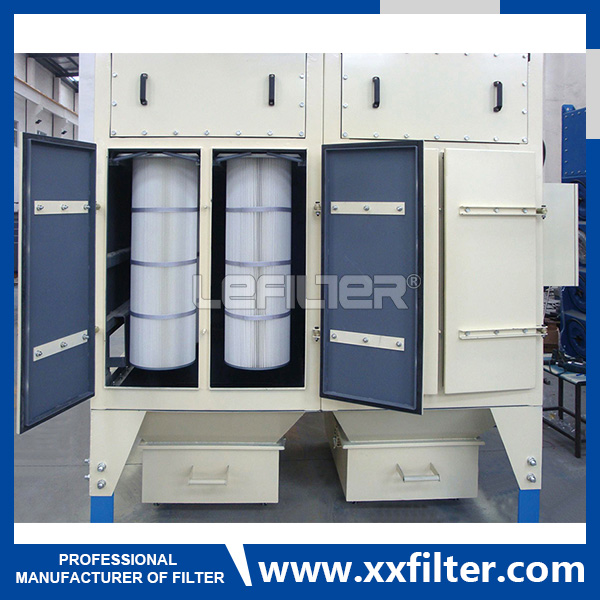
The DMC series single machine pulse bag dust collector is a self-contained dust removal unit driven by high-pressure 0.5–0.7 MPa pulse jet cleaning. Compared with similar domestic machines, it delivers stronger dust cleaning capability and higher dust removal efficiency in a compact, lightweight and simple structure. It is easy to install and simple to maintain, and the external filter bag replacement design allows operators to service the Dust Collector Filter without opening the hopper. It is widely used in dust-containing gas purification and dust control systems for building materials, metallurgy, mines, coal, carbon black and non-metallic mineral ultrafine powder processing, and is an ideal environmentally friendly dust removal solution for workshops.
The unit works as a complete small-scale system: the housing, hopper, filter bags, pulse cleaning mechanism, controller and fan are integrated on one skid-mounted frame. To protect the pulse valves and the Dust Collector Filter bags from oil and moisture, a properly selected Air compressor filter should be installed on the compressed air supply line before the air tank, since water droplets and lubricating oil carried by the air supply will otherwise foul the diaphragm of the pulse valves, wet the bag surface and cause bag blinding. A clean and dry air source is therefore as important as the unit itself for stable long-term operation.
Working Principle

Dust-laden air enters the inlet duct and passes into the hopper. Larger particles fall out by gravity and settle at the bottom, while the finer dust is carried upward. When the gas passes through the Dust Collector Filter bags, dust is retained on the outer surface of the fabric, and clean gas flows into the clean air chamber and exits through the outlet duct, driven by the fan.
As the dust layer on the bag surface thickens, the resistance of the unit rises continuously. Under normal design, the resistance should not exceed 1200 Pa, and the machine can keep working until this limit is reached, at which point periodic dust cleaning is required. Cleaning is controlled by a programmable sequence controller that triggers the pulse valves in a set order. Compressed air at 0.5–0.7 MPa is jetted downward from the nozzle through a venturi into the filter bag. The high-speed jet induces several times its own volume of secondary air from the surrounding clean air chamber, creating a momentary pressure surge inside the bag. The bag expands suddenly and, together with the reverse airflow, the impact force shakes the dust cake off the fabric surface and drops it into the hopper for discharge through the rotary or manual discharge device.
Cleaning is performed one chamber or one row of bags at a time, so the remaining bags continue filtering while part of the unit is being cleaned. This offline-free, sequential cleaning keeps the unit in continuous service and holds the pressure drop within the design range. The pulse interval and pulse width are set on the controller and can be adjusted on site according to the actual dust load.
Main Structure
Filter Bag Assembly (Dust Collector Filter):
Fabric filter bags with cages, mounted on the tube sheet, outer-surface dust retention, high-efficiency fabric with long service life.
Hopper and Inlet Duct:
Gravity preseparation zone, collects coarse particles and distributes gas evenly to each bag.
Clean Air Chamber and Outlet Duct:
Collects filtered gas before discharge through the fan.
Pulse Jet Cleaning System:
Pulse valves, air manifold, nozzles and venturis, driven by 0.4–0.6 MPa compressed air.
Programmable Sequence Controller:
Timed pulse triggering of each valve, adjustable pulse interval and pulse width.
Compressed Air Supply Unit (with Air compressor filter):
Air tank, pressure regulating valve, filter-regulator lubricator and an upstream Air compressor filter to remove oil, water and solid particles from the compressed air.
Discharge Device:
Rotary valve, manual flap or dust collection bin under the hopper.
Skid-mounted Frame and Fan:
Integrated base frame, centrifugal fan and access ladder/platform for external bag replacement.
Core Advantages
High Collecting Efficiency:
Collecting efficiency reaches 99.99%, and the outlet dust concentration fully meets the emission requirements of the latest national environmental protection standards.
Low Maintenance Cost:
Advanced design, high-quality components and a reliable structure guarantee long-term stable operation, with maintenance cost only about 70% of that of ordinary dust collectors.
Long Service Life:
The advanced pulse cleaning method together with high-quality filter bags and accessories greatly extends the service life of the Dust Collector Filter.
Compact and Lightweight Structure:
Simple frame, small footprint, light weight, suitable for in-plant installation without civil foundations.
External Bag Replacement:
Filter bags can be changed from the outside, which reduces downtime and protects operators from dust exposure.
Low Pressure Drop:
Resistance below 1200 Pa, filtration velocity maintained at 2–4 m/min, energy consumption stays low.
Wide Model Range:
Filtration area from 18 m² to 90 m², air volume from 2160–4300 m³/h to 10800–20800 m³/h, covering small machine-side capture up to medium workshop systems.
Protected Pneumatic System:
When equipped with a dedicated Air compressor filter, the pulse valves and bags stay free from oil and water contamination, and cleaning performance remains stable.
Technical Specification Table
| Model | Filtration Area (m²) | Bags (pcs) | Pulse Valves (pcs) | Air Volume (m³/h) | Weight (kg) | Compressed Air Consumption (m³/min) |
|---|---|---|---|---|---|---|
| DMC24-II | 18 | 24 | 4 | 2160–4300 | 865 | 0.1–0.3 |
| DMC36-II | 27 | 36 | 6 | 3160–6480 | 1060 | 0.1–0.5 |
| DMC48-II | 36 | 48 | 8 | 4320–8630 | 1334 | 0.2–0.7 |
| DMC60-II | 45 | 60 | 10 | 5250–10800 | 1490 | 0.2–0.8 |
| DMC72-II | 54 | 72 | 12 | 6450–12900 | 1680 | 0.25–1 |
| DMC84-II | 63 | 84 | 14 | 7550–15100 | 1942 | 0.3–1.2 |
| DMC96-II | 72 | 96 | 16 | 8650–17300 | 2184 | 0.3–1.3 |
| DMC120-II | 90 | 120 | 20 | 10800–20800 | 2594 | 0.4–1.7 |
Common parameters for the whole series:
| Item | Parameter |
|---|---|
| Collecting Efficiency | 99–99.5% |
| Dust Collector Resistance | < 1200 Pa |
| Filtration Velocity | 2–4 m/min |
| Inlet Dust Concentration | 3–5 g/m³ |
| Cleaning Air Pressure | 0.4–0.6 MPa |
| Pulse Jet Supply Pressure | 0.5–0.7 MPa |
| Bag Replacement | External type |
Application Scenarios

Building Materials Industry:
Cement silo tops, crusher discharge points, mixing and packing stations, gypsum and lime powder handling.
Metallurgy Industry:
Furnace charging and tapping points, conveyor transfer points, casting and sand handling workshops.
Mine and Coal Industry:
Crushing and screening plants, coal bunker loading, belt conveyor transfer houses, ventilation of underground workshops.
Carbon Black and Non-metallic Mineral Powder:
Ultrafine powder classifying, jet milling and packing lines where fine dust loads are heavy.
Machining and Welding Workshops:
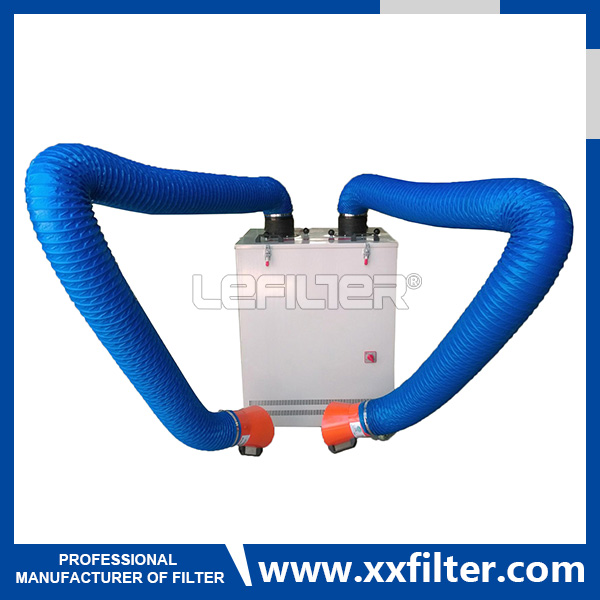
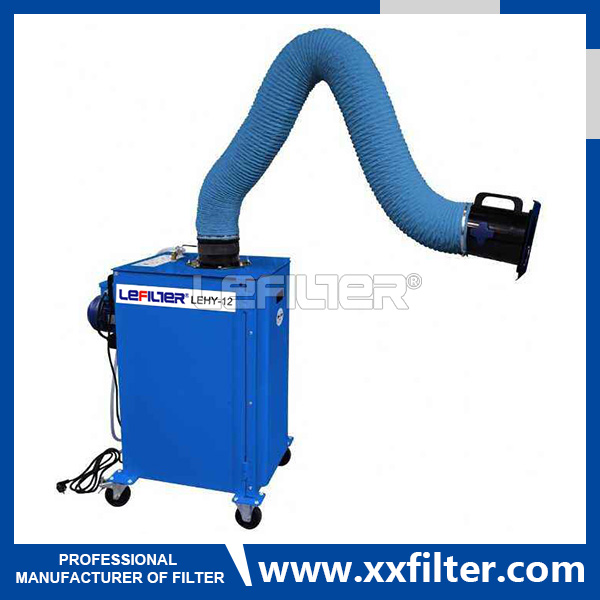
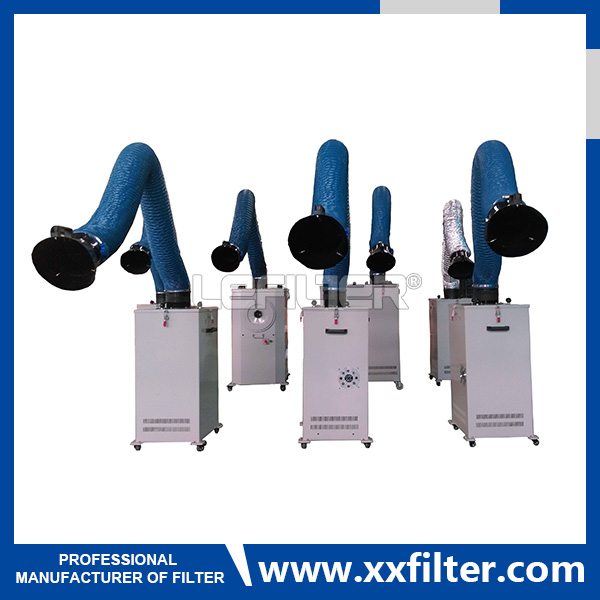
Local capture of fume and grinding dust from machine tools and welding stations.
Chemical and Fertilizer Plants:
Powder blending, granulating and bagging areas where the dust is abrasive and mildly corrosive.
Buying & Selection Guide
When selecting a DMC model, buyers should confirm the required air volume at the capture hoods, the dust concentration at the inlet, the dust particle size and the required emission limit. The model should be chosen so that the filtration velocity stays within 2–4 m/min; exceeding 4 m/min will shorten bag life and raise pressure drop, while running far below 2 m/min oversizes the unit. Filtration area should be calculated from air volume and filtration velocity with a 10–20% margin for dust load fluctuation. For sticky or hygroscopic dust, lower filtration velocity and surface-treated bags should be selected. Compressed air quality should not be overlooked. The pulse system consumes 0.1–1.7 m³/min at 0.4–0.6 MPa, and a clean dry air supply is mandatory. We recommend a dedicated Air compressor filter with a coalescing element and a refrigerated dryer before the air tank, so that oil and water do not reach the pulse valves or the Dust Collector Filter bags. For installation, the unit only requires a level floor and a compressed air line; ductwork to the capture points and a discharge device under the hopper are the remaining items. We can supply drawings, bag specifications and controller wiring diagrams for tender submission.
FAQ
Q1: Why is an air compressor filter necessary for a pulse jet dust collector?
A: The pulse valves and filter bags rely on clean compressed air. Oil and water in the air supply will attack the diaphragm of the pulse valves, wet the bag surface and cause bag blinding and short cleaning life. A coalescing Air compressor filter installed before the air tank removes oil, water and particles and keeps the cleaning system reliable.
Q2: How often should the dust collector filter bags be replaced?
A: Bag life depends on dust properties, inlet concentration and cleaning frequency. Under normal conditions with correct filtration velocity, bags typically last one to three years. Bags should be replaced when the pressure drop can no longer be reduced by cleaning, or when bags are damaged and emission rises.
Q3: What is the difference between the DMC single machine unit and a large central dust collector?
A: The DMC unit integrates housing, hopper, bags, pulse system and fan on one frame, so it can be installed directly at a single dust source with ductwork. A central system serves multiple sources through a long duct network. The DMC range covers 18–90 m² of filtration area, which fits machine-side and small workshop capture.
Q4: How is the pulse cleaning interval set?
A: The interval is set on the programmable controller according to the actual dust load and observed pressure drop. A common starting point is a pulse every few minutes per row, adjustable on site. Shorter intervals clean more aggressively but consume more compressed air and shorten bag life.
Q5: Can the unit handle high-temperature or humid gas?
A: The standard unit is designed for ambient-temperature dust. For hot gas above the fabric limit, a pre-cooling section, high-temperature bags and insulated housing are required. For humid gas, heat insulation and a pre-heating or dehumidifying measure should be added to prevent condensation on the bags.
Related Products
Filter Cartridge Dust Collector lefilter P191526-016-436
P19-1006 Dust Collection Filter Cartridges
P19-1037 lefilter dust collector cartridge filter
Please fill in your procurement needs and contact information